Monthly Archives: July 2026

future of waterway living

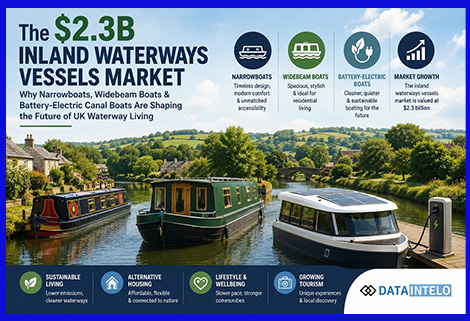
the $2.3billion inland waterways vessels market

why narrowboats, widebeam boats & battery-electric canalboats are shaping the future of UK waterway living.

The British waterways are turning from a reminder of the past, industrial legacy into something far more, into something with future potential! Our network of canals now represent everything, from house boating and alternative transport to the cruising holidays and ecotourism that attract so many visitors. As people turn to an altogether simpler lifestyle, the eco credentials that alternative transport offers will only continue to enhance the role our waterway vessels play.

DataIntelo forecast that the canal boats and narrow boats market value globally will come to 2.8billion USD by 2025, and that by 2033 it will reach 4.1 billion USD at a CAGR of 4.8%. European waterways contribute more than 42% to the global canal boats market and the UK’s demand for canalboats remains highest, a result of our strong history of boating and well-established network. If you’re already a boating enthusiast, looking to purchase your first boat, or just curious to learn about the different ways in which Britain’s waterways are being used, it's a good idea to look at the trends of modern waterways boats.

The Revival of Britain's Inland Waterways

Britain has more than 2000 miles of navigable canals and rivers forming the most acclaimed network of inland waterways anywhere in the world. Developed in their heyday to carry coal and manufactured goods to industrial centers, canals are now an important tourist attraction and offer an attractive way of life for thousands, in addition to playing a significant role in local economies. More investment is being channelled into upgrading the marinas and waterways and a growing number of people are taking to the waters to experience a water-based life style in these increasingly trendy outdoor living days. Keeping alive all of the heritage but adding to it a modern touch to develop new markets.

Narrowboats Continue to Define Canal Living

None capture the essence of Britain's canals more effectively than the narrowboat. Originally built to accommodate the historic locks of England and Wales' canal network, narrowboats are the vehicle of choice for travel across the majority of the two nations. Their compact build provides access to canals inaccessible to other types of boat.

Modern narrowboats mix old with new:

  • Fully equipped kitchens
  • Central heating
  • Solar panels
  • Smart electrical systems
  • Comfortable living spaces
  • Remote working facilities

Their versatility makes them suitable for:

  • Weekend cruising
  • Long-term touring
  • Residential living
  • Holiday hire businesses
  • Digital nomad lifestyles

Canal holidays popularity continues to create demand for narrowboats across the country.

future of canal living

Widebeam Boats Are Expanding Residential Options

Although narrowboats have remained a symbolic image, widebeam boats are becoming increasingly popular among prospective buyers who desire additional living space.

Providing a widebeam boat with a home-like design is attractive for individuals intending to live comfortably on wider canals and rivers over an extended period.

The primary benefits are:

  • Larger bedrooms
  • Spacious kitchens
  • Full-sized bathrooms
  • Dedicated office spaces
  • Greater storage capacity

With the rising cost of housing in many cities of UK, people are more likely to consider floating homeas an alternative way of living. According to DataIntelo, applications for floating homes are amongbthe rapid growth areas in the market.

Battery-Electric Canal Boats Are Powering a Cleaner Future

Perhaps the most exciting development transforming inland waterways is the advent of electric, battery-electric canal boats.

Compared to the average diesel marine engine, electric propulsion can be:

  • Quiet cruising
  • Zero exhaust emissions during operation
  • Lower maintenance requirements
  • Reduced fuel costs
  • Improved onboard comfort

Lithium-ion batteries now facilitate multi-day electric boating with a range of increasingly availablec harging options at marinas across the globe. “Global Electric Canal Boat Market will be experiencing an 11.3% growth from 2023-2029 due to the increased awareness about global warming and climate change, and the implementation of clean transport rules. The demand for ecologic-friendly water crafts among people is the major reason for market growth,” reports DataIntelo.

Sustainability Is Becoming a Major Purchase Driver

In every segment of recreational use, awareness of the environment is driving consumer buying habits, and boating is no exception. New boats often come with the following:

  • Solar charging systems
  • Hybrid propulsion
  • Battery-electric drives
  • Lightweight construction materials
  • Energy-efficient lighting
  • Water-saving plumbing
  • Smart power management

In turn, these technologies make life more affordable while also making water cleaner. But for lots of customers, sustainability is at the forefront - it has grown equally vital to functionality or comfort.

Canal Holidays Continue to Grow

What was behind the rise of 'slow travel'?

It’s this movement that has led to the comeback of the canals. These travelers want to step off the fast train, and slow down, with the time to experience both the nature, and the locals, of a place.

Canal holidays provide:

  • Flexible self-drive adventures
  • Wildlife watching
  • Historic towns and villages
  • Cycling and walking routes
  • Waterside pubs and cafés
  • Family-friendly experiences

The results of new market research have confirmed narrowboats as the number one option for canal holidays. Their unique ability to enter Britain’s historic network of canals, coupled with the convenience and comfort they offer couples, families and groups, mean they have proved extremely popular.

Technology Is Modernising Traditional Boats

Today's inland waterway craft often benefit from modern digital technology while maintaining a traditional look.

Popular upgrades include:

  • GPS navigation
  • Battery monitoring systems
  • Smart heating controls
  • Remote security monitoring
  • Wi-Fi connectivity
  • Solar energy integration
  • Mobile app controls

These innovations make boat ownership easier while attracting younger buyers accustomed to connected lifestyles.Technology is helping traditional boats remain relevant for modern living.

Why Europe Continues to Lead the Market

Europe remains the world's largest canal boat market due to several unique advantages:

  • Historic canal infrastructure
  • Strong boating culture
  • Heritage tourism
  • Extensive marina networks
  • Government investment in waterway restoration
  • Growing eco-tourism

Great Britain has a special place as the UK boasts a history of canal building and is host to a thriving community of boat owners. As work continues on waterway restoration and with growing public support, there are positive indications that Britain's waterways can look forward to future growth.

What Buyers Are Looking for Today

In the last decade consumer expectations have been totally revolutionized.

Today’s consumers have come to value:

  • Energy efficiency
  • Flexible interiors
  • Sustainable propulsion
  • Remote working capability
  • Luxury finishes
  • Low operating costs
  • Comfortable year-round living

The companies are responding with vessels that incorporate traditional looks with the practicalities of the modern era. This compromise is turning into the major selling point in the market for inland waterways vessels.

The Future of UK Waterway Living

A fresh lease of life for Britain’s canals is ushering in a new chapter for these unique waterways, where the traditional can coexist harmoniously with the new. Narrowboats are the main form of waterway craft operating in the UK. The wider beam canal boat is becoming increasingly popular as a form of houseboating, while electric battery canal boats show what benefits Eco-tech could bring to the alternative lifestyle afloat. An increase in investment, a growth in eco-awareness, and an interest in this lifestyle will create a solid, sustainable growth in UK waterways for years to come. From keen boaters and potential purchasers to our vital canal communities, UK waterway living will never have been greener, quieter, or more connected.

Reference: https://dataintelo.com/report/canal-boats-and-narrow-boats-market

why sunrise and sunset times matter for narrowboat trip planning

why sunrise and sunset times matter for narrowboat trip planning

Most narrowboat crews spend hours choosing routes, packing provisions, and researching waterside pubs. Far fewer think about daylight until they are already on the water, discovering they have overcommitted to a day they cannot finish in the light available. Getting your daily mileage right on a canal holiday comes down to one thing more than any other: knowing exactly when the sun rises and sets at your location.

Key Points:

1. Check your specific UK location's sunrise each morning so early lock starts are planned, not guessed.

2. Mooring at least one hour before sunset is a firm safety rule, not a loose suggestion.

3. Checking bank holiday dates in advance lets you avoid congestion on the busiest routes before it happens.

Daylight Is the Real Engine of Your Itinerary

On the canal network, the sun sets the pace. Locks are not safe to work after dark. Swing bridges require clear visibility to judge safely. Even picking a mooring alongside other boats gets genuinely difficult in low light. Once you accept that natural daylight, not the number of miles on the map, governs each travel day, everything about planning a narrowboat holiday starts to make more sense.

In high summer, a crew can be underway by half past six and still have a relaxed evening mooring by seven. By October, the same route might offer fewer than nine usable hours, and a mis-timed start can leave you searching for a mooring in near-darkness. The difference between a comfortable day and a stressful one is often a fifteen-minute check the evening before.

How Location Changes Everything

Sunrise in the Scottish lowlands can arrive significantly later than sunrise in the Thames Valley, even on the same calendar date. That gap might only be twenty or thirty minutes, but on a day when you are trying to get through a flight of six locks before the queue builds, twenty minutes matters enormously.

Checking sunrise times for your specific location gives you a precise figure rather than a rough national estimate. Most experienced narrowboat crews build this into their evening routine: note the local sunrise, subtract preparation time (engine warm-up, removing mooring pins, getting the kettle on), and that gives you a realistic departure window rather than an optimistic one.

Planning Your Morning Around the First Lock

The best crews on the canal network share one habit: they never arrive at a lock flight at the same time as everyone else. Popular flights like Hatton on the Grand Union, Audlem on the Shropshire Union, and Tardebigge on Worcester and Birmingham can see significant queues forming by mid-morning during busy periods.

Starting early, not as a point of pride but as a practical strategy, can transform the experience of a long lock day.

Here is how to structure a productive travel morning:

  1. Check sunrise and local weather for your section of canal the night before
  2. Set a departure time that gives you full daylight from the first lock, not just from when you wake up
  3. Complete the main lock flight before eight-thirty whenever possible
  4. Eat breakfast before you leave so stops do not cost you time during the productive window

Getting through the first lock flight in that early window means you arrive at your midday mooring well ahead of the crowd. Afternoons on the canal are far more pleasant when the heavy work is already done.

What Makes an Early Start Actually Work

There are a few habits that separate crews who manage early starts comfortably from those who intend to leave early and end up an hour behind before the engine is on.

  • Lay out ropes and windlasses the night before so the deck is ready to go
  • Note any water points or sanitation stations you need to hit before leaving the area
  • Brief everyone on the crew about the plan so nobody is caught off guard by the alarm

None of this is complicated. It is just the kind of preparation that makes six-thirty feel natural rather than chaotic.

The One-Hour Rule Before Dark

This is the rule that almost no experienced narrowboater argues with: moor up at least one hour before sunset, and ideally longer. It sounds conservative until you have once tried to find a mooring in failing light on an unfamiliar stretch. Towpath edges become hard to judge. Other boats appear suddenly. The mooring pins you need to hammer in are harder to see than you expect.

Checking sunset times for your stretch of canal each day is the simplest way to know when your working day ends. That information gives you a hard stop time, and you can plan your afternoon progress around reaching a good mooring point before it arrives.

What the one-hour buffer also gives you is the evening itself. A narrowboat holiday is supposed to include sitting on the roof with a drink while the towpath goes quiet, a meal at a pub a short walk from the water, or watching the light fade over a lock cottage. None of that happens if you are still trying to place the boat in near-darkness at eight o'clock.

Bank Holiday Weekends: The Traffic Problem You Can See Coming

There is a specific kind of congestion on the canal network that surprises first-time hirers completely. Bank holiday weekends push a concentrated surge of boats onto the water, and the most popular routes take the full weight of it.

The Llangollen Canal in particular, one of the genuinely spectacular waterways in Britain, sees significant queuing near the Pontcysyllte aqueduct approach over the May and August bank holidays. The southern Oxford Canal fills up in a similar way, with tight moorings and slow progress through the villages. The Kennet and Avon between Bath and Devizes can become almost stationary on a long weekend in summer.

Checking public holidays before you finalise your dates gives you real options. You can book a quieter route where traffic spreads more thinly, plan to hold position at a pleasant mooring on the busy day and let the surge pass before moving, or treat the bank holiday itself as a deliberate rest day rather than a disruption.

time flies on a boat

Mid-week windows, particularly the Tuesday-to-Thursday stretch, are consistently calmer on almost every canal in England and Wales. If your hire allows any flexibility in start dates, even a one-day shift can make a significant difference to how much space you have on the water.

Matching Your Route to the Season

Every canal route has a different character at different times of year, and daylight hours shape much of that character. A week on the Llangollen in July and a week on the same canal in November are almost different trips. The miles are the same. The experience is not.

Shorter days in autumn and winter do not mean the canal network is not worth visiting. Many experienced boaters prefer the quieter months precisely because the towpaths are empty, the moorings are available, and the pubs are genuinely welcoming. But the planning discipline becomes more important, not less.

A practical approach for autumn and winter cruising:

  • Build no more than five to six hours of actual cruising into any day
  • Identify your target mooring in advance and have a backup option within one hour of it
  • Treat the later sunrise as a fixed constraint and plan around it, not against it

Light Hours Across the Hire Week

One detail that catches out multi-week hirers is that daylight changes meaningfully even over a single holiday. In late September, you can lose close to two minutes of evening light every day. Over a ten-day hire, that adds up to twenty minutes of usable evening you no longer have by the end of the trip compared to the start.

Building a small buffer into each day, rather than planning to use every available minute of light, absorbs that drift without any stress. The crew that leaves a little margin each day arrives at the end of the week in exactly the position they expected. The one that plans to the last minute ends up compressing the final days to recover lost time.

If you are using one of the many hire boat companies to book your trip, your holiday hire details will often include route guidance, but they rarely calculate daylight hours for you. That part is yours to manage, and the tools to do it are simple.

The Day the Canal Gives You

The canal network rewards a particular kind of traveller: organised enough to respect the limits of the day, and relaxed enough not to fight them. Checking sunrise and sunset at your location each evening, noting the bank holiday dates before you book, and building a realistic daily plan around what the light allows, these habits cost almost nothing and return an enormous amount in comfort and enjoyment.

The waterways have been carrying boats for over two hundred years. The pace is built into the infrastructure. The locks, the bridges, the mooring rings, all of it expects you to work with the day. Once you start planning that way, the whole experience shifts into something genuinely unhurried. And that, more than any particular route or destination, is what a canal holiday is supposed to feel like.

time pink floydAt Time.now, we're dedicated to making global time simple. Our mission is to provide a fast, accurate, and free resource for current times and timezone information worldwide. From coordinating international business to connecting with loved ones, our live clocks and detailed data for thousands of cities and countries make it effortless. We are constantly expanding our database to be the most reliable and comprehensive time resource on the web. Let Time.now help you navigate the world's time with confidence.

green boating is the next big wave

green boating is the next big wave

how battery-electric canal boats, eco-friendly vessels & sustainable waterway living are reshaping life on the cut

The quiet hum of an electric motor replacing the clatter of diesel is becoming the new soundtrack of Britain's canals. Green boating—centered on battery-electric canal boats, eco-friendly vessels, and sustainable waterway living—is transforming how people experience and inhabit the cut. This isn't just a niche trend for eco-enthusiasts; it's the next big wave in UK waterway culture, driven by environmental awareness, technological advances, and a growing desire for slower, more mindful travel. According to our latest research, the global battery-electric canal boat market size was valued at USD 518 million in 2024, reflecting a robust expansion driven by the growing demand for sustainable waterway transportation solutions. The market is projected to reach USD 1.62 billion bt 2033, growing at a CAGR of 13.5% during the forecast period from 2025 to 2033.

The Environmental Imperative: Why Canals Need Green Boating

Britain's canals face unique environmental challenges. These narrow, often slow-moving waterways are particularly vulnerable to pollution from diesel engines, which release particulates, carbon monoxide, and unburned fuel into the water. Traditional narrowboats, the backbone of UK canal culture, typically run on diesel engines that can contaminate water quality and disturb delicate ecosystems supporting aquatic plants, fish, and wildlife.

The Canal & River Trust, which manages over 2,000 miles of waterways in England and Wales, has identified water quality as a critical priority. Diesel pollution contributes to oxygen depletion in water, harming fish populations and disrupting the natural balance that allows duckweed, water violets, and other aquatic vegetation to thrive. Noise pollution from diesel engines also disturbs birds and wildlife that have returned to canal corridors as urban green spaces.

Green boating addresses these problems directly. Battery-electric canal boats produce zero emissions during operation, eliminating the risk of fuel spills and reducing the carbon footprint of canal travel. For liveaboards—people who permanently reside on canal boats—the switch to electric represents a commitment to sustainable living that aligns with broader environmental values.

Battery-Electric Canal Boats: Technology Meets Tradition

The technology behind battery-electric canal boats has matured dramatically in recent years. Modern electric propulsion systems deliver the same torque and reliability as diesel engines while offering significant advantages in efficiency and maintenance. A typical electric narrowboat can travel 40-60 miles on a single charge, sufficient for most day trips and weekend holidays on UK canals.

Key Technological Advances

Battery Capacity and Chemistry: Modern canal boats use lithium-ion batteries with capacities ranging from 20 kWh to 80 kWh. These batteries offer higher energy density, longer lifespans (8-10 years), and faster charging times than older technologies. Some manufacturers are experimenting with solid-state batteries that could double current capacity while reducing weight.

Charging Infrastructure: The charging network along UK canals has expanded rapidly. The Canal & River Trust has installed over 150 electric charging points at key mooring locations, including Birmingham, Manchester, London, and the Midlands ring. Many public houses, boat clubs, and holiday bases now offer charging facilities. Solar-powered charging stations are emerging at scenic locations, allowing boats to recharge using renewable energy generated on-site.

Motor Efficiency: Electric motors for canal boats deliver 90-95% efficiency compared to 30-40% for diesel engines. This means less energy waste, longer range per charge, and reduced heat generation. regenerative systems can even capture energy when the boat slows, extending range by 10-15%.

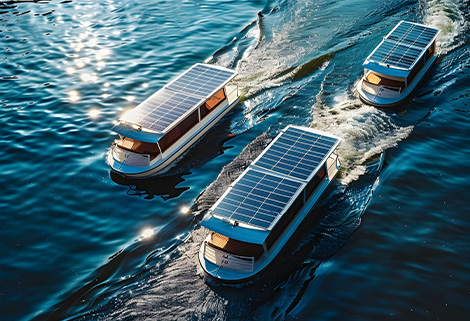
electric narrowboat

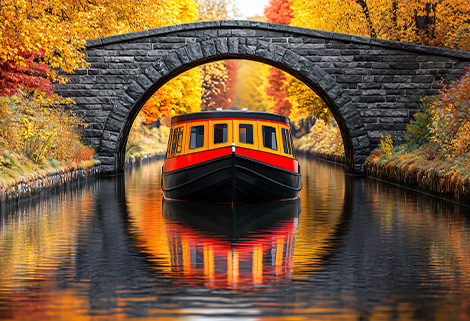
electric boats

Leading Electric Boat Manufacturers

Several UK manufacturers have entered the electric narrowboat market:

  • Ortomarine – UK based builder specializing in the incorporation of electric propulsion systems intocustom narrowboats and canal boats - typically a blend of battery-based and solar supported modularsystems.
  • Finesse Boats – Long-established boat builder in the UK offering narrowboats handcraftedtraditionally but available with hybrid and electric power.
  • Ovation Boats (Charnwood Cruisers range) – Creates canal boats which can accommodateelectric drive propulsion for leisure craft, and inland cruising craft.
  • Mothership Marine - Mothership Marine, established in 2013, is a UK leader in sustainable electric boat solutions, specialising in solar-powered narrowboats and classic wooden vessel conversions.

These boats typically cost 15-25% more than comparable diesel models, but owners report lower operating costs due to reduced fuel expenses (electricity is cheaper per mile than diesel) and minimal maintenance (no oil changes, filter replacements, or engine tune-ups).

Eco-Friendly Vessels: Beyond Electric Motors

Green boating extends beyond electric propulsion. Eco-friendly vessels incorporate sustainable materials, energy-efficient design, and waste-reduction features throughout their construction and operation.

Sustainable Construction Materials

Traditional narrowboats use steel hulls, fiberglass interiors, and synthetic materials that have high environmental footprints. Eco-friendly alternatives include:

  • Recycled Steel Hulls: Using steel from decommissioned vessels reduces mining and processing impacts
  • Natural Fiber Insulation: Hemp, wool, or cellulose insulation replaces fiberglass and foam
  • Bamboo or Reclaimed Wood: Interior paneling and furniture from sustainable sources
  • Low-VOC Finishes: Paints and sealants that don't release volatile organic compounds into water or air

Energy Efficiency Features

Modern eco-vessels integrate multiple energy-saving technologies:

Solar Panels: Roof-mounted solar arrays (200-400 watts) supplement battery charging, particularly useful during summer months when daylight is abundant. Some boats generate enough solar energy to power all onboard electronics without additional charging.

Heat Recovery Systems: Electric heating systems with heat pump technology provide efficient cabin heating while using less energy than traditional diesel heaters. Some systems recover heat from the motor itself, reducing overall energy consumption.

Water Conservation: Compact water filtration systems, composting toilets, and rainwater collection reduce the need for fresh water refills and minimize waste discharge.

Waste Management

Eco-friendly boats prioritize waste reduction:

  • Composting Toilets: Eliminate the need for chemical waste tanks and reduce water usage
  • Greywater Filtration: Treats water from sinks and showers before release, protecting water quality
  • Zero-Plastic Policies: Many eco-boaters avoid single-use plastics, using reusable containers and biodegradable alternatives

Sustainable Waterway Living: The Liveaboard Movement

The liveaboard community—people who permanently reside on canal boats—is at the forefront of sustainable waterway living. For many liveaboards, choosing an electric or eco-friendly vessel is part of a broader lifestyle commitment to minimalism, environmental responsibility, and connection with nature.

Why Liveaboards Choose Green Boating

Environmental Values: Many liveaboards are motivated by climate concerns and desire to reduce their carbon footprint. Living on a boat naturally reduces consumption (smaller space, fewer possessions), and electric propulsion extends this philosophy to transportation.

Quality of Life: Electric boats offer a quieter, smoother experience. The absence of diesel smell, engine noise, and vibration creates a more peaceful home environment. This is particularly important for families with children or pets.

Cost Savings: While electric boats have higher purchase prices, operating costs are lower. Electricity costs approximately £0.15 per kWh compared to diesel at £1.50 per liter. For a boat traveling 500 miles annually, electric power costs £30-50 versus £200-300 for diesel. Maintenance savings add another £200-400 annually.

Community and Identity: The green boating community is growing, with boat clubs, social groups, and online forums connecting eco-conscious waterway residents. This community provides support, shared knowledge, and a sense of belonging.

Challenges for Green Liveaboards

Despite advantages, green liveaboards face practical challenges:

Charging Availability: While charging infrastructure has expanded, it's not yet universal. Remote canal sections and rural moorings may lack charging points, requiring careful route planning.

Range Anxiety: Electric boats have limited range compared to diesel. Liveaboards who travel frequently or venture far from charging hubs must plan carefully or consider hybrid systems.

Winter Performance: Battery efficiency decreases in cold weather, reducing range by 20-30% in winter. Proper insulation and heating systems are essential for year-round living.

Initial Cost: The 15-25% price premium for electric boats can be prohibitive for some buyers, particularly those entering the liveaboard market with limited budgets.

Peer-to-Peer Boat Rentals: Making Green Boating Accessible

Peer-to-peer (P2P) boat rental platforms are democratizing access to green boating. Platforms like Borrow a Boat, Ohba, and canal-specific rental services allow boat owners to list their electric or eco-friendly vessels for short-term rentals, making sustainable canal holidays accessible to people who can't afford to purchase a boat.

How P2P Rentals Work

  1. Owner Listings: Boat owners list their vessels with details on battery capacity, range, and eco-features
  2. Renter Booking: Renters search for boats matching their needs (size, location, ecological features)
  3. Verification: Platforms verify boat condition, charging equipment, and safety features
  4. Rental Experience: Renters receive instruction on electric boat operation and charging procedures
  5. Feedback: Both parties review the experience, building trust in the platform

Benefits for Green Boating

Lower Barrier to Entry: Renters can experience electric boating for £400-800 per week versus £40,000-80,000 for purchasing. This allows people to test the lifestyle before committing to a purchase.

** Increased Exposure**: P2P platforms expose thousands of new users to electric boating, building awareness and interest in green alternatives.

Owner Income: Boat owners earn income from rentals, offsetting purchase costs and making electric boat ownership more financially viable.

Sustainability Multiplier: One electric boat can serve multiple renters annually, maximizing the environmental benefit per vessel.

Heritage Tourism: Connecting Past and Future

Green boating aligns surprisingly well with heritage tourism on UK canals. Many canal visitors are drawn by historical interest—the Industrial Revolution legacy, preserved tunnel systems, historic bridges, and restored warehouses. Electric boats enhance this experience by providing silent, pollution-free travel that doesn't detract from the historical atmosphere.

Heritage Routes and Electric Boats

Certain canal routes are particularly popular for heritage tourism:

  • Kennet and Avon Canal: Connects Bath to Bristol, featuring historic tunnels and Viaducts
  • Llangollen Canal: Welsh borders scenery with 18th-century engineering
  • Macclesfield Canal: "The Chase" section with historic industrial sites
  • Panther Canal: Manchester's industrial heritage corridor

Electric boats are ideal for these routes because their quiet operation allows visitors to appreciate historical structures without engine noise, and zero emissions preserve the integrity of historic masonry and prevent water contamination near heritage sites.

Tourism Industry Response

Canal holiday companies are responding to demand for green heritage tourism:

  • Holiday Base Operators: Many now offer electric boat rentals alongside traditional diesel options
  • Tour Packages: Some companies create "eco-heritage" packages combining electric boating with guided historical tours
  • Educational Programs: Boat clubs offer workshops on canal history and environmental stewardship

The Future of Green Boating on UK Canals

Policy and Regulation

The UK government has signaled support for zero-emission watercraft through:

  • Funding Programs: Grants for charging infrastructure and electric boat development
  • Zoning Regulations: Potential "quiet zones" on canals where diesel engines are restricted
  • Emission Standards: Tighter regulations on waterway pollution that favor electric alternatives

The Canal & River Trust's "Waterways for Tomorrow" strategy includes targets for 50% of holiday boats to be electric by 2030.

Technological Advances

Future developments will address current limitations:

  • Higher Capacity Batteries: Solid-state and lithium-sulfur batteries could double current range
  • Faster Charging: Ultra-fast charging (15-20 minutes) will reduce downtime
  • Hybrid Systems: Diesel-electric hybrids will offer flexibility for long-distance travel
  • Smart Charging: AI-powered systems optimizing charging based on weather, route, and battery status

Market Growth

The canal boats and narrow boats market is projected to grow from $1.5 billion in 2025 to $2.2 billion by 2033, with electric vessels capturing an increasing share. Industry analysts predict electric narrowboats will represent 25-30% of new sales by 2030, up from less than 5% today.

Conclusion: Joining the Green Wave

Green boating is no longer a futuristic concept—it's a present reality reshaping UK canal culture. Battery-electric canal boats offer practical, enjoyable alternatives to diesel, eco-friendly vessels minimize environmental impact, and sustainable waterway living aligns with broader values of conservation and mindfulness. Peer-to-peer rentals make green boating accessible to newcomers, while heritage tourism connects this modern movement with the canals' rich history.

For anyone considering canal boat holidays, liveaboard living, or simply exploring UK waterways, green boating presents an opportunity to enjoy these historic corridors while contributing to their environmental preservation. The quiet hum of electric motors, the absence of diesel smell, and the satisfaction of zero-emission travel represent not just technological progress but a deeper connection to the natural and historical landscape of Britain's canals.

The next big wave in green boating isn't coming—it's already here, and it's inviting everyone to join.