future of waterway living

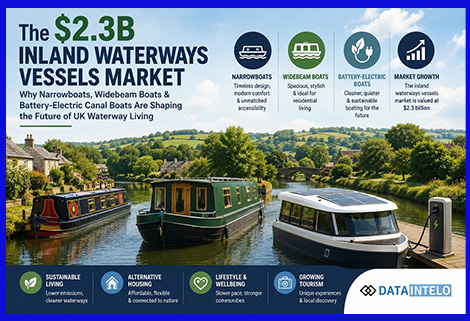
the $2.3billion inland waterways vessels market

why narrowboats, widebeam boats & battery-electric canalboats are shaping the future of UK waterway living.

The British waterways are turning from a reminder of the past, industrial legacy into something far more, into something with future potential! Our network of canals now represent everything, from house boating and alternative transport to the cruising holidays and ecotourism that attract so many visitors. As people turn to an altogether simpler lifestyle, the eco credentials that alternative transport offers will only continue to enhance the role our waterway vessels play.

DataIntelo forecast that the canal boats and narrow boats market value globally will come to 2.8billion USD by 2025, and that by 2033 it will reach 4.1 billion USD at a CAGR of 4.8%. European waterways contribute more than 42% to the global canal boats market and the UK’s demand for canalboats remains highest, a result of our strong history of boating and well-established network. If you’re already a boating enthusiast, looking to purchase your first boat, or just curious to learn about the different ways in which Britain’s waterways are being used, it's a good idea to look at the trends of modern waterways boats.

The Revival of Britain's Inland Waterways

Britain has more than 2000 miles of navigable canals and rivers forming the most acclaimed network of inland waterways anywhere in the world. Developed in their heyday to carry coal and manufactured goods to industrial centers, canals are now an important tourist attraction and offer an attractive way of life for thousands, in addition to playing a significant role in local economies. More investment is being channelled into upgrading the marinas and waterways and a growing number of people are taking to the waters to experience a water-based life style in these increasingly trendy outdoor living days. Keeping alive all of the heritage but adding to it a modern touch to develop new markets.

Narrowboats Continue to Define Canal Living

None capture the essence of Britain's canals more effectively than the narrowboat. Originally built to accommodate the historic locks of England and Wales' canal network, narrowboats are the vehicle of choice for travel across the majority of the two nations. Their compact build provides access to canals inaccessible to other types of boat.

Modern narrowboats mix old with new:

  • Fully equipped kitchens
  • Central heating
  • Solar panels
  • Smart electrical systems
  • Comfortable living spaces
  • Remote working facilities

Their versatility makes them suitable for:

  • Weekend cruising
  • Long-term touring
  • Residential living
  • Holiday hire businesses
  • Digital nomad lifestyles

Canal holidays popularity continues to create demand for narrowboats across the country.

future of canal living

Widebeam Boats Are Expanding Residential Options

Although narrowboats have remained a symbolic image, widebeam boats are becoming increasingly popular among prospective buyers who desire additional living space.

Providing a widebeam boat with a home-like design is attractive for individuals intending to live comfortably on wider canals and rivers over an extended period.

The primary benefits are:

  • Larger bedrooms
  • Spacious kitchens
  • Full-sized bathrooms
  • Dedicated office spaces
  • Greater storage capacity

With the rising cost of housing in many cities of UK, people are more likely to consider floating homeas an alternative way of living. According to DataIntelo, applications for floating homes are amongbthe rapid growth areas in the market.

Battery-Electric Canal Boats Are Powering a Cleaner Future

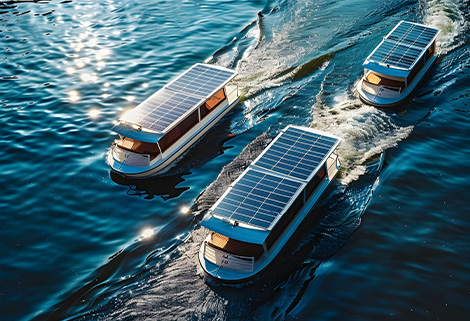
Perhaps the most exciting development transforming inland waterways is the advent of electric, battery-electric canal boats.

Compared to the average diesel marine engine, electric propulsion can be:

  • Quiet cruising
  • Zero exhaust emissions during operation
  • Lower maintenance requirements
  • Reduced fuel costs
  • Improved onboard comfort

Lithium-ion batteries now facilitate multi-day electric boating with a range of increasingly availablec harging options at marinas across the globe. “Global Electric Canal Boat Market will be experiencing an 11.3% growth from 2023-2029 due to the increased awareness about global warming and climate change, and the implementation of clean transport rules. The demand for ecologic-friendly water crafts among people is the major reason for market growth,” reports DataIntelo.

Sustainability Is Becoming a Major Purchase Driver

In every segment of recreational use, awareness of the environment is driving consumer buying habits, and boating is no exception. New boats often come with the following:

  • Solar charging systems
  • Hybrid propulsion
  • Battery-electric drives
  • Lightweight construction materials
  • Energy-efficient lighting
  • Water-saving plumbing
  • Smart power management

In turn, these technologies make life more affordable while also making water cleaner. But for lots of customers, sustainability is at the forefront - it has grown equally vital to functionality or comfort.

Canal Holidays Continue to Grow

What was behind the rise of 'slow travel'?

It’s this movement that has led to the comeback of the canals. These travelers want to step off the fast train, and slow down, with the time to experience both the nature, and the locals, of a place.

Canal holidays provide:

  • Flexible self-drive adventures
  • Wildlife watching
  • Historic towns and villages
  • Cycling and walking routes
  • Waterside pubs and cafés
  • Family-friendly experiences

The results of new market research have confirmed narrowboats as the number one option for canal holidays. Their unique ability to enter Britain’s historic network of canals, coupled with the convenience and comfort they offer couples, families and groups, mean they have proved extremely popular.

Technology Is Modernising Traditional Boats

Today's inland waterway craft often benefit from modern digital technology while maintaining a traditional look.

Popular upgrades include:

  • GPS navigation
  • Battery monitoring systems
  • Smart heating controls
  • Remote security monitoring
  • Wi-Fi connectivity
  • Solar energy integration
  • Mobile app controls

These innovations make boat ownership easier while attracting younger buyers accustomed to connected lifestyles.Technology is helping traditional boats remain relevant for modern living.

Why Europe Continues to Lead the Market

Europe remains the world's largest canal boat market due to several unique advantages:

  • Historic canal infrastructure
  • Strong boating culture
  • Heritage tourism
  • Extensive marina networks
  • Government investment in waterway restoration
  • Growing eco-tourism

Great Britain has a special place as the UK boasts a history of canal building and is host to a thriving community of boat owners. As work continues on waterway restoration and with growing public support, there are positive indications that Britain's waterways can look forward to future growth.

What Buyers Are Looking for Today

In the last decade consumer expectations have been totally revolutionized.

Today’s consumers have come to value:

  • Energy efficiency
  • Flexible interiors
  • Sustainable propulsion
  • Remote working capability
  • Luxury finishes
  • Low operating costs
  • Comfortable year-round living

The companies are responding with vessels that incorporate traditional looks with the practicalities of the modern era. This compromise is turning into the major selling point in the market for inland waterways vessels.

The Future of UK Waterway Living

A fresh lease of life for Britain’s canals is ushering in a new chapter for these unique waterways, where the traditional can coexist harmoniously with the new. Narrowboats are the main form of waterway craft operating in the UK. The wider beam canal boat is becoming increasingly popular as a form of houseboating, while electric battery canal boats show what benefits Eco-tech could bring to the alternative lifestyle afloat. An increase in investment, a growth in eco-awareness, and an interest in this lifestyle will create a solid, sustainable growth in UK waterways for years to come. From keen boaters and potential purchasers to our vital canal communities, UK waterway living will never have been greener, quieter, or more connected.

Reference: https://dataintelo.com/report/canal-boats-and-narrow-boats-market

why sunrise and sunset times matter for narrowboat trip planning

why sunrise and sunset times matter for narrowboat trip planning

Most narrowboat crews spend hours choosing routes, packing provisions, and researching waterside pubs. Far fewer think about daylight until they are already on the water, discovering they have overcommitted to a day they cannot finish in the light available. Getting your daily mileage right on a canal holiday comes down to one thing more than any other: knowing exactly when the sun rises and sets at your location.

Key Points:

1. Check your specific UK location's sunrise each morning so early lock starts are planned, not guessed.

2. Mooring at least one hour before sunset is a firm safety rule, not a loose suggestion.

3. Checking bank holiday dates in advance lets you avoid congestion on the busiest routes before it happens.

Daylight Is the Real Engine of Your Itinerary

On the canal network, the sun sets the pace. Locks are not safe to work after dark. Swing bridges require clear visibility to judge safely. Even picking a mooring alongside other boats gets genuinely difficult in low light. Once you accept that natural daylight, not the number of miles on the map, governs each travel day, everything about planning a narrowboat holiday starts to make more sense.

In high summer, a crew can be underway by half past six and still have a relaxed evening mooring by seven. By October, the same route might offer fewer than nine usable hours, and a mis-timed start can leave you searching for a mooring in near-darkness. The difference between a comfortable day and a stressful one is often a fifteen-minute check the evening before.

How Location Changes Everything

Sunrise in the Scottish lowlands can arrive significantly later than sunrise in the Thames Valley, even on the same calendar date. That gap might only be twenty or thirty minutes, but on a day when you are trying to get through a flight of six locks before the queue builds, twenty minutes matters enormously.

Checking sunrise times for your specific location gives you a precise figure rather than a rough national estimate. Most experienced narrowboat crews build this into their evening routine: note the local sunrise, subtract preparation time (engine warm-up, removing mooring pins, getting the kettle on), and that gives you a realistic departure window rather than an optimistic one.

Planning Your Morning Around the First Lock

The best crews on the canal network share one habit: they never arrive at a lock flight at the same time as everyone else. Popular flights like Hatton on the Grand Union, Audlem on the Shropshire Union, and Tardebigge on Worcester and Birmingham can see significant queues forming by mid-morning during busy periods.

Starting early, not as a point of pride but as a practical strategy, can transform the experience of a long lock day.

Here is how to structure a productive travel morning:

  1. Check sunrise and local weather for your section of canal the night before
  2. Set a departure time that gives you full daylight from the first lock, not just from when you wake up
  3. Complete the main lock flight before eight-thirty whenever possible
  4. Eat breakfast before you leave so stops do not cost you time during the productive window

Getting through the first lock flight in that early window means you arrive at your midday mooring well ahead of the crowd. Afternoons on the canal are far more pleasant when the heavy work is already done.

What Makes an Early Start Actually Work

There are a few habits that separate crews who manage early starts comfortably from those who intend to leave early and end up an hour behind before the engine is on.

  • Lay out ropes and windlasses the night before so the deck is ready to go
  • Note any water points or sanitation stations you need to hit before leaving the area
  • Brief everyone on the crew about the plan so nobody is caught off guard by the alarm

None of this is complicated. It is just the kind of preparation that makes six-thirty feel natural rather than chaotic.

The One-Hour Rule Before Dark

This is the rule that almost no experienced narrowboater argues with: moor up at least one hour before sunset, and ideally longer. It sounds conservative until you have once tried to find a mooring in failing light on an unfamiliar stretch. Towpath edges become hard to judge. Other boats appear suddenly. The mooring pins you need to hammer in are harder to see than you expect.

Checking sunset times for your stretch of canal each day is the simplest way to know when your working day ends. That information gives you a hard stop time, and you can plan your afternoon progress around reaching a good mooring point before it arrives.

What the one-hour buffer also gives you is the evening itself. A narrowboat holiday is supposed to include sitting on the roof with a drink while the towpath goes quiet, a meal at a pub a short walk from the water, or watching the light fade over a lock cottage. None of that happens if you are still trying to place the boat in near-darkness at eight o'clock.

Bank Holiday Weekends: The Traffic Problem You Can See Coming

There is a specific kind of congestion on the canal network that surprises first-time hirers completely. Bank holiday weekends push a concentrated surge of boats onto the water, and the most popular routes take the full weight of it.

The Llangollen Canal in particular, one of the genuinely spectacular waterways in Britain, sees significant queuing near the Pontcysyllte aqueduct approach over the May and August bank holidays. The southern Oxford Canal fills up in a similar way, with tight moorings and slow progress through the villages. The Kennet and Avon between Bath and Devizes can become almost stationary on a long weekend in summer.

Checking public holidays before you finalise your dates gives you real options. You can book a quieter route where traffic spreads more thinly, plan to hold position at a pleasant mooring on the busy day and let the surge pass before moving, or treat the bank holiday itself as a deliberate rest day rather than a disruption.

time flies on a boat

Mid-week windows, particularly the Tuesday-to-Thursday stretch, are consistently calmer on almost every canal in England and Wales. If your hire allows any flexibility in start dates, even a one-day shift can make a significant difference to how much space you have on the water.

Matching Your Route to the Season

Every canal route has a different character at different times of year, and daylight hours shape much of that character. A week on the Llangollen in July and a week on the same canal in November are almost different trips. The miles are the same. The experience is not.

Shorter days in autumn and winter do not mean the canal network is not worth visiting. Many experienced boaters prefer the quieter months precisely because the towpaths are empty, the moorings are available, and the pubs are genuinely welcoming. But the planning discipline becomes more important, not less.

A practical approach for autumn and winter cruising:

  • Build no more than five to six hours of actual cruising into any day
  • Identify your target mooring in advance and have a backup option within one hour of it
  • Treat the later sunrise as a fixed constraint and plan around it, not against it

Light Hours Across the Hire Week

One detail that catches out multi-week hirers is that daylight changes meaningfully even over a single holiday. In late September, you can lose close to two minutes of evening light every day. Over a ten-day hire, that adds up to twenty minutes of usable evening you no longer have by the end of the trip compared to the start.

Building a small buffer into each day, rather than planning to use every available minute of light, absorbs that drift without any stress. The crew that leaves a little margin each day arrives at the end of the week in exactly the position they expected. The one that plans to the last minute ends up compressing the final days to recover lost time.

If you are using one of the many hire boat companies to book your trip, your holiday hire details will often include route guidance, but they rarely calculate daylight hours for you. That part is yours to manage, and the tools to do it are simple.

The Day the Canal Gives You

The canal network rewards a particular kind of traveller: organised enough to respect the limits of the day, and relaxed enough not to fight them. Checking sunrise and sunset at your location each evening, noting the bank holiday dates before you book, and building a realistic daily plan around what the light allows, these habits cost almost nothing and return an enormous amount in comfort and enjoyment.

The waterways have been carrying boats for over two hundred years. The pace is built into the infrastructure. The locks, the bridges, the mooring rings, all of it expects you to work with the day. Once you start planning that way, the whole experience shifts into something genuinely unhurried. And that, more than any particular route or destination, is what a canal holiday is supposed to feel like.

time pink floydAt Time.now, we're dedicated to making global time simple. Our mission is to provide a fast, accurate, and free resource for current times and timezone information worldwide. From coordinating international business to connecting with loved ones, our live clocks and detailed data for thousands of cities and countries make it effortless. We are constantly expanding our database to be the most reliable and comprehensive time resource on the web. Let Time.now help you navigate the world's time with confidence.

green boating is the next big wave

green boating is the next big wave

how battery-electric canal boats, eco-friendly vessels & sustainable waterway living are reshaping life on the cut

The quiet hum of an electric motor replacing the clatter of diesel is becoming the new soundtrack of Britain's canals. Green boating—centered on battery-electric canal boats, eco-friendly vessels, and sustainable waterway living—is transforming how people experience and inhabit the cut. This isn't just a niche trend for eco-enthusiasts; it's the next big wave in UK waterway culture, driven by environmental awareness, technological advances, and a growing desire for slower, more mindful travel. According to our latest research, the global battery-electric canal boat market size was valued at USD 518 million in 2024, reflecting a robust expansion driven by the growing demand for sustainable waterway transportation solutions. The market is projected to reach USD 1.62 billion bt 2033, growing at a CAGR of 13.5% during the forecast period from 2025 to 2033.

The Environmental Imperative: Why Canals Need Green Boating

Britain's canals face unique environmental challenges. These narrow, often slow-moving waterways are particularly vulnerable to pollution from diesel engines, which release particulates, carbon monoxide, and unburned fuel into the water. Traditional narrowboats, the backbone of UK canal culture, typically run on diesel engines that can contaminate water quality and disturb delicate ecosystems supporting aquatic plants, fish, and wildlife.

The Canal & River Trust, which manages over 2,000 miles of waterways in England and Wales, has identified water quality as a critical priority. Diesel pollution contributes to oxygen depletion in water, harming fish populations and disrupting the natural balance that allows duckweed, water violets, and other aquatic vegetation to thrive. Noise pollution from diesel engines also disturbs birds and wildlife that have returned to canal corridors as urban green spaces.

Green boating addresses these problems directly. Battery-electric canal boats produce zero emissions during operation, eliminating the risk of fuel spills and reducing the carbon footprint of canal travel. For liveaboards—people who permanently reside on canal boats—the switch to electric represents a commitment to sustainable living that aligns with broader environmental values.

Battery-Electric Canal Boats: Technology Meets Tradition

The technology behind battery-electric canal boats has matured dramatically in recent years. Modern electric propulsion systems deliver the same torque and reliability as diesel engines while offering significant advantages in efficiency and maintenance. A typical electric narrowboat can travel 40-60 miles on a single charge, sufficient for most day trips and weekend holidays on UK canals.

Key Technological Advances

Battery Capacity and Chemistry: Modern canal boats use lithium-ion batteries with capacities ranging from 20 kWh to 80 kWh. These batteries offer higher energy density, longer lifespans (8-10 years), and faster charging times than older technologies. Some manufacturers are experimenting with solid-state batteries that could double current capacity while reducing weight.

Charging Infrastructure: The charging network along UK canals has expanded rapidly. The Canal & River Trust has installed over 150 electric charging points at key mooring locations, including Birmingham, Manchester, London, and the Midlands ring. Many public houses, boat clubs, and holiday bases now offer charging facilities. Solar-powered charging stations are emerging at scenic locations, allowing boats to recharge using renewable energy generated on-site.

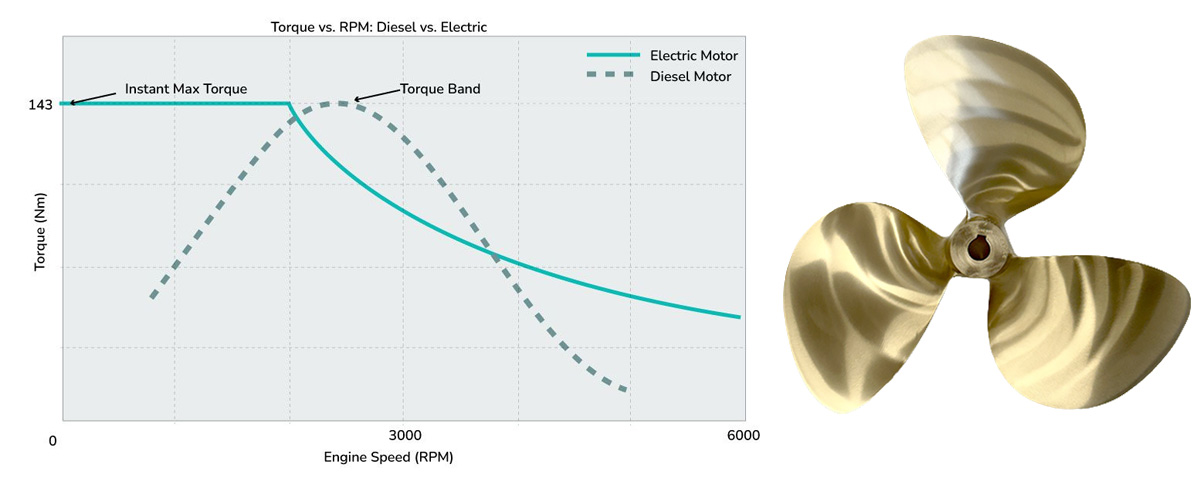
Motor Efficiency: Electric motors for canal boats deliver 90-95% efficiency compared to 30-40% for diesel engines. This means less energy waste, longer range per charge, and reduced heat generation. regenerative systems can even capture energy when the boat slows, extending range by 10-15%.

electric narrowboat

electric boats

Leading Electric Boat Manufacturers

Several UK manufacturers have entered the electric narrowboat market:

  • Ortomarine – UK based builder specializing in the incorporation of electric propulsion systems intocustom narrowboats and canal boats - typically a blend of battery-based and solar supported modularsystems.
  • Finesse Boats – Long-established boat builder in the UK offering narrowboats handcraftedtraditionally but available with hybrid and electric power.
  • Ovation Boats (Charnwood Cruisers range) – Creates canal boats which can accommodateelectric drive propulsion for leisure craft, and inland cruising craft.
  • Mothership Marine - Mothership Marine, established in 2013, is a UK leader in sustainable electric boat solutions, specialising in solar-powered narrowboats and classic wooden vessel conversions.

These boats typically cost 15-25% more than comparable diesel models, but owners report lower operating costs due to reduced fuel expenses (electricity is cheaper per mile than diesel) and minimal maintenance (no oil changes, filter replacements, or engine tune-ups).

Eco-Friendly Vessels: Beyond Electric Motors

Green boating extends beyond electric propulsion. Eco-friendly vessels incorporate sustainable materials, energy-efficient design, and waste-reduction features throughout their construction and operation.

Sustainable Construction Materials

Traditional narrowboats use steel hulls, fiberglass interiors, and synthetic materials that have high environmental footprints. Eco-friendly alternatives include:

  • Recycled Steel Hulls: Using steel from decommissioned vessels reduces mining and processing impacts
  • Natural Fiber Insulation: Hemp, wool, or cellulose insulation replaces fiberglass and foam
  • Bamboo or Reclaimed Wood: Interior paneling and furniture from sustainable sources
  • Low-VOC Finishes: Paints and sealants that don't release volatile organic compounds into water or air

Energy Efficiency Features

Modern eco-vessels integrate multiple energy-saving technologies:

Solar Panels: Roof-mounted solar arrays (200-400 watts) supplement battery charging, particularly useful during summer months when daylight is abundant. Some boats generate enough solar energy to power all onboard electronics without additional charging.

Heat Recovery Systems: Electric heating systems with heat pump technology provide efficient cabin heating while using less energy than traditional diesel heaters. Some systems recover heat from the motor itself, reducing overall energy consumption.

Water Conservation: Compact water filtration systems, composting toilets, and rainwater collection reduce the need for fresh water refills and minimize waste discharge.

Waste Management

Eco-friendly boats prioritize waste reduction:

  • Composting Toilets: Eliminate the need for chemical waste tanks and reduce water usage
  • Greywater Filtration: Treats water from sinks and showers before release, protecting water quality
  • Zero-Plastic Policies: Many eco-boaters avoid single-use plastics, using reusable containers and biodegradable alternatives

Sustainable Waterway Living: The Liveaboard Movement

The liveaboard community—people who permanently reside on canal boats—is at the forefront of sustainable waterway living. For many liveaboards, choosing an electric or eco-friendly vessel is part of a broader lifestyle commitment to minimalism, environmental responsibility, and connection with nature.

Why Liveaboards Choose Green Boating

Environmental Values: Many liveaboards are motivated by climate concerns and desire to reduce their carbon footprint. Living on a boat naturally reduces consumption (smaller space, fewer possessions), and electric propulsion extends this philosophy to transportation.

Quality of Life: Electric boats offer a quieter, smoother experience. The absence of diesel smell, engine noise, and vibration creates a more peaceful home environment. This is particularly important for families with children or pets.

Cost Savings: While electric boats have higher purchase prices, operating costs are lower. Electricity costs approximately £0.15 per kWh compared to diesel at £1.50 per liter. For a boat traveling 500 miles annually, electric power costs £30-50 versus £200-300 for diesel. Maintenance savings add another £200-400 annually.

Community and Identity: The green boating community is growing, with boat clubs, social groups, and online forums connecting eco-conscious waterway residents. This community provides support, shared knowledge, and a sense of belonging.

Challenges for Green Liveaboards

Despite advantages, green liveaboards face practical challenges:

Charging Availability: While charging infrastructure has expanded, it's not yet universal. Remote canal sections and rural moorings may lack charging points, requiring careful route planning.

Range Anxiety: Electric boats have limited range compared to diesel. Liveaboards who travel frequently or venture far from charging hubs must plan carefully or consider hybrid systems.

Winter Performance: Battery efficiency decreases in cold weather, reducing range by 20-30% in winter. Proper insulation and heating systems are essential for year-round living.

Initial Cost: The 15-25% price premium for electric boats can be prohibitive for some buyers, particularly those entering the liveaboard market with limited budgets.

Peer-to-Peer Boat Rentals: Making Green Boating Accessible

Peer-to-peer (P2P) boat rental platforms are democratizing access to green boating. Platforms like Borrow a Boat, Ohba, and canal-specific rental services allow boat owners to list their electric or eco-friendly vessels for short-term rentals, making sustainable canal holidays accessible to people who can't afford to purchase a boat.

How P2P Rentals Work

  1. Owner Listings: Boat owners list their vessels with details on battery capacity, range, and eco-features
  2. Renter Booking: Renters search for boats matching their needs (size, location, ecological features)
  3. Verification: Platforms verify boat condition, charging equipment, and safety features
  4. Rental Experience: Renters receive instruction on electric boat operation and charging procedures
  5. Feedback: Both parties review the experience, building trust in the platform

Benefits for Green Boating

Lower Barrier to Entry: Renters can experience electric boating for £400-800 per week versus £40,000-80,000 for purchasing. This allows people to test the lifestyle before committing to a purchase.

** Increased Exposure**: P2P platforms expose thousands of new users to electric boating, building awareness and interest in green alternatives.

Owner Income: Boat owners earn income from rentals, offsetting purchase costs and making electric boat ownership more financially viable.

Sustainability Multiplier: One electric boat can serve multiple renters annually, maximizing the environmental benefit per vessel.

Heritage Tourism: Connecting Past and Future

Green boating aligns surprisingly well with heritage tourism on UK canals. Many canal visitors are drawn by historical interest—the Industrial Revolution legacy, preserved tunnel systems, historic bridges, and restored warehouses. Electric boats enhance this experience by providing silent, pollution-free travel that doesn't detract from the historical atmosphere.

Heritage Routes and Electric Boats

Certain canal routes are particularly popular for heritage tourism:

  • Kennet and Avon Canal: Connects Bath to Bristol, featuring historic tunnels and Viaducts
  • Llangollen Canal: Welsh borders scenery with 18th-century engineering
  • Macclesfield Canal: "The Chase" section with historic industrial sites
  • Panther Canal: Manchester's industrial heritage corridor

Electric boats are ideal for these routes because their quiet operation allows visitors to appreciate historical structures without engine noise, and zero emissions preserve the integrity of historic masonry and prevent water contamination near heritage sites.

Tourism Industry Response

Canal holiday companies are responding to demand for green heritage tourism:

  • Holiday Base Operators: Many now offer electric boat rentals alongside traditional diesel options
  • Tour Packages: Some companies create "eco-heritage" packages combining electric boating with guided historical tours
  • Educational Programs: Boat clubs offer workshops on canal history and environmental stewardship

The Future of Green Boating on UK Canals

Policy and Regulation

The UK government has signaled support for zero-emission watercraft through:

  • Funding Programs: Grants for charging infrastructure and electric boat development
  • Zoning Regulations: Potential "quiet zones" on canals where diesel engines are restricted
  • Emission Standards: Tighter regulations on waterway pollution that favor electric alternatives

The Canal & River Trust's "Waterways for Tomorrow" strategy includes targets for 50% of holiday boats to be electric by 2030.

Technological Advances

Future developments will address current limitations:

  • Higher Capacity Batteries: Solid-state and lithium-sulfur batteries could double current range
  • Faster Charging: Ultra-fast charging (15-20 minutes) will reduce downtime
  • Hybrid Systems: Diesel-electric hybrids will offer flexibility for long-distance travel
  • Smart Charging: AI-powered systems optimizing charging based on weather, route, and battery status

Market Growth

The canal boats and narrow boats market is projected to grow from $1.5 billion in 2025 to $2.2 billion by 2033, with electric vessels capturing an increasing share. Industry analysts predict electric narrowboats will represent 25-30% of new sales by 2030, up from less than 5% today.

Conclusion: Joining the Green Wave

Green boating is no longer a futuristic concept—it's a present reality reshaping UK canal culture. Battery-electric canal boats offer practical, enjoyable alternatives to diesel, eco-friendly vessels minimize environmental impact, and sustainable waterway living aligns with broader values of conservation and mindfulness. Peer-to-peer rentals make green boating accessible to newcomers, while heritage tourism connects this modern movement with the canals' rich history.

For anyone considering canal boat holidays, liveaboard living, or simply exploring UK waterways, green boating presents an opportunity to enjoy these historic corridors while contributing to their environmental preservation. The quiet hum of electric motors, the absence of diesel smell, and the satisfaction of zero-emission travel represent not just technological progress but a deeper connection to the natural and historical landscape of Britain's canals.

The next big wave in green boating isn't coming—it's already here, and it's inviting everyone to join.

handmade British logbooks for canal boats

handmade British log books for canal boats

by William Bruton, English Logbook Company

A hidden way through the country

Discovering the UK canal system on a friend’s canal boat was rather like the search to find the craftspeople I needed to make the logbook I wanted to buy. Through canal cruising, within days, I became aware of an arterial system that opened parts of my country I would otherwise never have seen.

The transition from rural countryside to the underbelly of a city like Manchester is gradual, and that is part of the pleasure. You do not arrive with a bang. You slide in under bridges, past back gardens, railway arches, old warehouses and lock cottages, until the city has revealed itself from an angle few people know. Step onto the towpath and you feel you have come in through the side door.

That is what I enjoy about travelling this way. The canal does not present the polished front of a place. It shows you how it joins up. You see the seams. A village, a stretch of industry, a basin, a row of terraces, a pub garden, a church tower: all of it connected by water. The pace helps too. At canal speed, detail has time to register. A good mooring, an awkward lock, a useful chandlery, a stretch worth returning to. The journey is built from small things, and that is exactly why it stays with you.

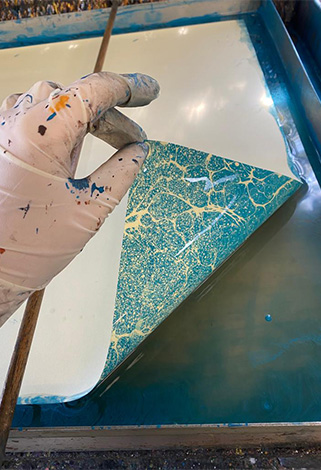
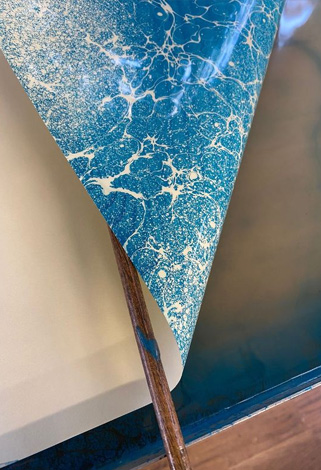
marbling in process

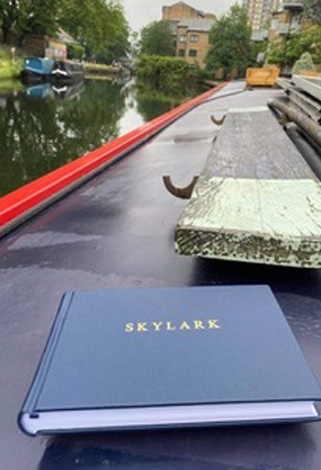
log book on canal boat

marbling process

Finding the people to make the books

Searching for craftspeople to make my books, I found trades largely hidden from view still very much alive in corners of the country. Brought together, they made what I had imagined possible. Bookbinding, printing and paper marbling are old skills that complement each other, and I found them not in some abstract idea of British craft, but in real workshops, with real people, still doing the job properly.

I had decided to start making books whilst sailing in the Mediterranean, but it was returning home that made it possible. I wanted a logbook that suited the way I actually used a boat and could not quite find one. There were plenty around, but none felt right. Some were too generic, some too flimsy, some seemed to understand the form without understanding much about life on the water.

What I found, once I started looking, was another hidden network running through the country. Not canals this time, but skilled trades. Quiet, specialist work that is easy to miss unless you go looking for it. That felt important. If the book was going to be useful, durable and worth keeping, it ought to come out of that world. English Logbooks grew from that idea: bring together the right people, make the thing properly, and produce something that earns its place aboard.

hand crafted log books

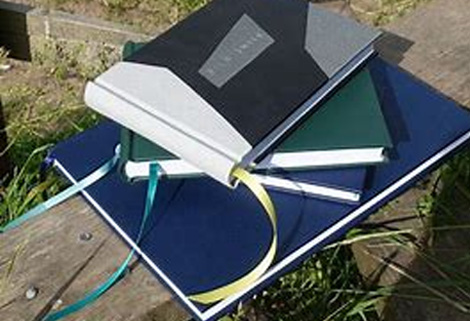
pile of finished log books

More than a maintenance record

When we were asked to make a canal book, I quickly learned that it is the richness of life on the canals that makes it worth writing down. Like many of our sailing customers, canal boat owners want a useful record of maintenance, but the best logbooks become more than that. They become a scrapbook of life well lived afloat.

There is plenty of practical value in keeping one. Engine hours, fuel, pump-outs, battery changes, blacking dates, odd faults and jobs done all deserve one place to live. Most people think they will remember this sort of thing. Most do not, or not clearly enough when it matters later.

But that is only half the point. The better entries are often the less official ones. Great pubs. Friends made. New stretches of water discovered. A difficult day. A perfect mooring. Failures candidly recorded to be laughed at later. Tom Cunliffe, who designed our yacht logbooks, has long understood this. A logbook should be a technical record, yes, but also a record of the life around the boat.

That feels particularly true on the canals. Inland cruising is full of detail, and much of its pleasure lies in the accumulation of it. A good logbook gives that detail somewhere to stay. Over time it becomes not just a record of where the boat went, but of the life that gathered around it.

english logbook companyWilliam Bruton says "I’m a yachting journalist by trade and I started the English Logbook Company whilst working as a yacht skipper in the Mediterranean. I couldn’t find a logbook that felt of a suitable quality to use on board — something properly made, practical, and worth keeping — so I set out to make one myself.

That grew into a small company making hand-bound logbooks for life on the water, all completely handmade and finished with hand-marbled paper.

Having spent more time on the inland waterways as well, I then created our Odyssey Inland Waterways Logbook, made specifically for canal boat and river users.

The books are designed to be genuinely useful on board, but also to feel special enough to give as a gift. They work particularly well for occasions like a new canal boat being launched for the first time — for example, a new Braidbar boat — where the owner wants something personal and lasting to mark the beginning of that boat’s life.

professional waterway training

professional waterway training

why professional training underpins safe and responsible waterway operations

Britain’s waterways support a wide mix of activity. Leisure craft, passenger boats, commercial operators, and maintenance vessels often share the same space. This variety brings character and vitality to canals and rivers, yet it also places a shared responsibility on those who operate vessels professionally. Safe conduct on the water depends on preparation, awareness, and respect for recognised standards.

Many risks on inland waterways develop quietly. Restricted visibility, changing weather, shallow channels, and close quarters manoeuvring can all challenge even experienced crews. When these conditions combine with public access and mixed skill levels, the importance of professional competence becomes clear.
Formal learning plays a central role in meeting these challenges, and recognised programmes such as STCW courses provide structured knowledge that supports safe practice across maritime settings. These courses establish a common understanding of safety principles that apply well beyond offshore environments.

Understanding safety responsibilities on inland waterways

Inland waterways are shared spaces. Commercial operators may work alongside private boaters who have varying levels of experience. This mix increases the need for predictable, professional behaviour from those operating vessels as part of their work.

Responsibilities extend beyond vessel control. Awareness of passenger safety, communication with other waterway users, and readiness to respond to incidents all influence outcomes. Professional crews are often looked to as examples of good practice, particularly in busy or constrained areas.

The role of recognised maritime standards

Standards exist to create consistency. When crews share a common foundation of training, expectations become clearer and responses more reliable. International maritime standards provide guidance on safety, emergency response, and personal responsibility that remains relevant across different operating environments.

Training aligned with these standards helps reduce ambiguity. Crews understand not only what actions to take, but why those actions matter. This understanding supports sound judgement when situations fall outside routine procedures.

Training as a foundation for competence

Competence develops through structured learning combined with experience. Training provides the framework that allows experience to be interpreted correctly. Without that framework, habits can replace judgement, increasing risk over time.

How professional training supports everyday operations

Daily tasks on waterways often appear straightforward. Mooring, loading, and navigation become familiar quickly. Training helps crews recognise that routine work still carries risk. Situational awareness, correct use of equipment, and effective communication all depend on underlying knowledge.

When unexpected situations arise, trained crews respond more calmly. Clear understanding of emergency procedures reduces hesitation and confusion, protecting both crew and the public.

waterways rescue training

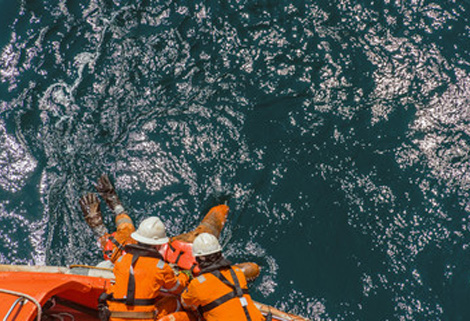
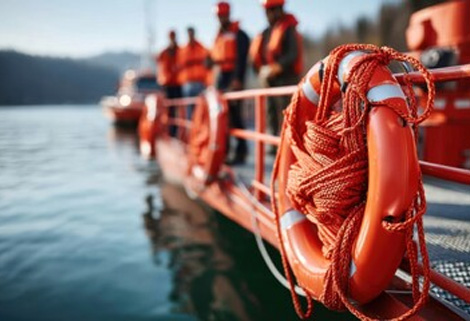
life ring on waterways vehicle

Relevance of STCW knowledge beyond offshore roles

Although STCW standards are often associated with offshore or international shipping, the principles they teach apply broadly. Fire prevention, first aid, and emergency response are just as relevant on inland vessels, particularly those carrying passengers or operating commercially.

These principles support safer interaction with other waterway users. Professional conduct reduces the likelihood of incidents and builds trust within the wider boating community.

Maintaining competence through ongoing learning

Competence is not static. Equipment changes, regulations evolve, and operating environments shift. Regular refresher training helps crews maintain confidence and update their knowledge as conditions change.

Ongoing learning also supports consistency across teams. New staff integrate more smoothly when training expectations are clear, and experienced crew benefit from revisiting core principles.

Practical benefits for employers and operators

Well trained crews contribute to smoother operations. Incidents decline, communication improves, and regulatory scrutiny becomes easier to manage. Training also supports retention by giving staff confidence in their roles.

Building trust on shared waterways

Public confidence in professional operators depends on visible competence. Calm, predictable behaviour reassures other waterway users and supports cooperation in busy areas. This trust is built gradually through consistent practice rather than isolated actions.

Training reinforces this consistency. Crews who share common standards approach situations with similar priorities, reducing misunderstandings and unnecessary conflict.

Conclusion

Safe waterway operations rely on preparation long before a vessel leaves its berth. Training provides the knowledge that underpins good judgement and responsible conduct. It supports professionals in managing risk while respecting the shared nature of inland waterways.

Recognised learning pathways, including STCW courses, contribute to this preparation by establishing clear expectations and practical understanding. When training aligns with real operating conditions, it becomes a valuable tool for sustaining safety and professionalism across the waterway network.

expost uk

expost uk

a postal lifeline for the UK’s boaters and canal dwellers

Life on the UK’s waterways offers unmatched freedom, a slower pace, and the beauty of living close to nature. But for those who make their home on a narrowboat or barge, there’s one recurring challenge that the canals can’t solve: receiving mail without a fixed address.

Enter Expost UK, a service that has quietly become a trusted solution for canal boaters across the country. More than just a mail-forwarding company, Expost offers a full virtual mailbox system that provides stability, privacy, and accessibility—without tying you to a postcode.
For continuous cruisers and residential moorers alike, it’s more than just convenient. It’s essential.

Why Canal Dwellers Need a Virtual Mailbox

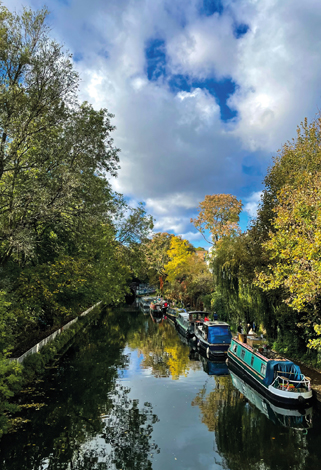
canal with moored boatsLiving aboard a boat brings incredible rewards—but it also means navigating a world not designed for life without bricks and mortar. One of the biggest bureaucratic challenges is proving your address. Most government agencies, banks, and insurers require a fixed, residential UK address—something many boaters simply don’t have.
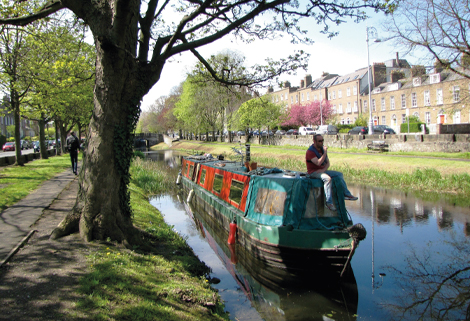
Relying on friends or family to handle your mail can become unreliable or burdensome. Picking up mail from general post offices using Poste Restante can be unreliable, and setting up redirection services when you're always on the move is nearly impossible.

This is where Expost becomes a game-changer.

Expost’s Service: Designed for Life on the Move

Expost’s service is crafted with boaters in mind. It allows you to use a real UK street address (not a PO Box) as your own, regardless of whether you’re moored in London, navigating the Grand Union, or drifting along the Shropshire Union.

These addresses are fully functional for:

  • DVLA correspondence (location dependant)
  • Banking and financial services
  • HMRC and government departments
  • Parcel deliveries from Royal Mail, DPD, UPS, and others

You receive a secure, unique mailbox number and access to the Propost online system, where you can manage your mail 24/7, just like managing your bank account online.

narrowboat

girl on roof of boat

How It Works: Simple, Flexible, and Reliable

Once registered, you can choose one of several UK-based Mail Centres (locations across South Wales, the Midlands, Scotland, and more). Your new address is tied to a real building, making it fully compliant with official documentation requirements.
From there, mail is received, logged, and visible through your online dashboard. You then have options:

  • Open and scan (perfect for viewing documents instantly)
  • Forward to another address such as a marina, friend, next planned stop or even courier collection points)
  • Hold until pickup or disposal

It’s your mail, on your terms.

For those living continuously on the move, the option to have mail forwarded to anywhere in the UK or abroad is especially useful. Royal Mail, signed-for services, and even private couriers can deliver it right to your next mooring—so long as you can provide a destination.

Affordable Freedom: Pricing That Suits Boat Life

Expost’s pricing starts at less than 80p per day, with additional services like forwarding and scanning charged on a pay-as-you-go basis. You top up your account’s Postage Fund, and only pay for what you use, ideal for boaters who may have unpredictable incomes or irregular mail volumes.

Key costs include:

  • Mail handling fee per item received (90p per letter)
  • Scanning fee (80p per page)
  • Forwarding postage

No surprise fees.
Prices as of 29/08/2025

expost id

expost - storage

expost - reading your mail

ID Verification: Staying Legit with HMRC and Companies House

Because Expost is regulated under UK Money Laundering Regulations (2017), all users must complete identity verification. For canal dwellers, this is a plus, not a hassle, it means your mailbox is officially recognised and legally compliant.

To register, you’ll need:

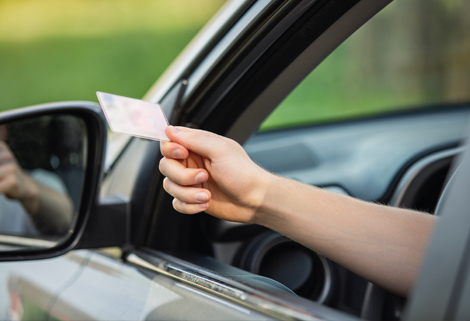
  • A government-issued photo ID ( Passport or Driving Licence)
  • A selfie for facial verification
  • (For businesses) proof of incorporation or registration

This gives you peace of mind knowing your address is trusted by official institutions, and not some fly-by-night PO box company.

Extra Tools for a Smoother Life Afloat

Expost doesn’t stop at just mail. For boaters juggling complex logistics, the platform also offers:

  • PayPoint bill payment integration: Settle council tax (if applicable), utility bills, fines, and licenses—directly from the dashboard.
  • Outpost: A unique feature that lets you post UK mail from abroad or remote areas by sending digital versions that Expost prints and mails on your behalf.

Combined, these services help canal dwellers maintain a land-based presence without giving up the freedom of the waterways.

Final Thoughts: Freedom Doesn’t Have to Mean Invisibility

Living on a canal boat is about choosing freedom and simplicity over the fast-paced demands of modern life. But that shouldn’t mean sacrificing security, official recognition, or the ability to manage your affairs.

Expost UK gives boaters a simple, reliable, and official way to stay connected to the world—without tying them down to a postcode.

For the price of a cup of coffee a day, Expost provides stability, privacy, and peace of mind. Whether you’re a lifelong liveaboard or just testing the waters, Expost is a service designed for the realities of life afloat.

Want to learn more or sign up?
Visit www.expost.uk for details, pricing, and step-by-step guides.

expost logoExpost Customer Support
Using Bonus code CANAL20 on a 12 month account will give you 30 additional days free on your new account.
Live support is now available from Monday to Friday, 8am to 4pm
Call 0333 789 0011 or, from abroad: +44 (0)333 789 0011
Email: support@expost.uk
Please remember to include your Mailbox Key when you contact us, so that we can find your account!

floodex & waterways management show 2025

floodex & waterways management show 2025

We are excited to announce that Chris Packham CBE will be attending the 2025 event and speaking on the first day. Chris is a naturalist, nature photographer, television presenter and author, best known for his television work.

Chris Packham said "I am very excited to be attending this year’s Waterways Management Show. Its creative and forward thinking approach is not only timely - it is essential. We are crashing into a crisis and water management will be central to mitigating its impacts.

Only through constructive discussion and the sharing of ideas and skills will we maximise our capacity to adapt and survive . And obviously water is central to life and its sustenance and the mismanagement of our rivers has put it front and central of peoples environmental concerns.

We have to get water management right and this forum offers a real chance for progress".

Waterways Management Show

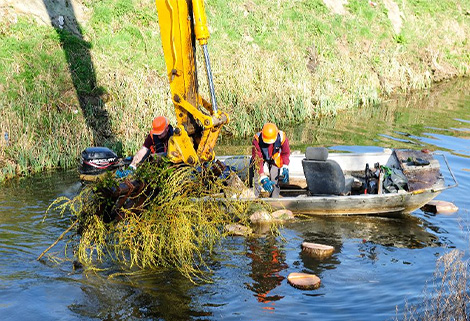
This year we are delighted to announce that the Environment Agency will have a stand at the show, as will the Wildlife Trusts; Chris Packham will be speaking in one of the theatres. Southern Water and Anglian Water will also have stands and will be speaking at the show. Managing the waterways and wetlands is such an important part for natural flood management.

Floodex, National Drainage and the Waterways Management Show are three aspects of an overarching event, where these areas overlap in contributing to water level management and flood defence. The event is made up of nearly 100 exhibitors, with products, services and advice, whilst three seminar theatres will host various presentations. One of these is a dedicated, two-day SuDS Theatre, reflecting the importance of SuDS moving forward.

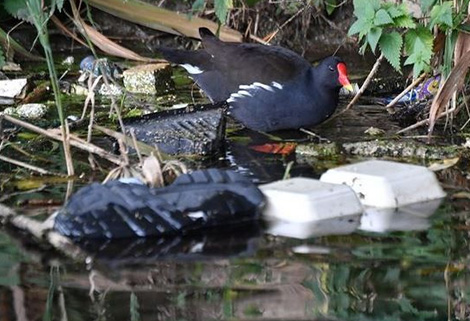
It is no secret that weather incidents, especially around water, are becoming more regular and more serious. And it’s not just overflowing rivers, 70% of flood incidents are caused by surface water runoff and blocked or inefficient drainage systems. Rainwater runoff is carrying pollutants into our of our waterways from highways, especially during excessive rainfall.

There are a wide range of solutions being pursued, including rehabilitation of existing but ageing drainage and sewer systems through to natural water level and flood management, with Sustainable Urban Drainage Systems (SuDS) becoming more widely used.

SuDS quite often takes the form of plants and trees being installed by qualified contractors, in affected areas, to help soak up rainwater, but they also serve to make these areas more green and appealing, so a great solution, in some instances.

Planners and developers need to make a note, as it could be, in the not too distant future, that you may not get planning approved, without showing evidence of sustainable drainage being adopted. For people who want to borrow against property, flooding could affect lending decisions, because insurers may be taking a longer term view of risks from flooding.

The Future Water Association will be featuring the Water Dragons again, where people present innovative ideas for a panel of experts to judge. Water Dragons is a Future Water initiative aimed to support and develop the creative and future entrepreneurs of the water sector. United Utilities will be exhibiting and presenting, along with some very notable speakers, across the board..

Women in FCERM will be having a networking event at the end of day one and we are delighted that Anglian Water and Southern Water will both be exhibiting and speaking.

Since launching Floodex in 2016, the organizers have always had the idea that an event should be staged that takes a more holistic approach to flooding and water level management, which is why the National Drainage Show was launched as a natural colocation and Waterways Management after that, which partly covers the catchment issues as well as the health and management of the waterways themselves. See www.waterwaysmanagementshow.com for further information.

New Trade Show For Civil Engineering

A new event has got the industry buzzing, Indigo Media & Events (IME) are launching what will be the only trade show for the civils industry, in the UK. The National Civils Show will run co-located with the National Drainage Show and Floodex in 2025.

The National Civils Show is an annual trade event to be held in London, dedicated to suppliers of products and services around the civil engineering market and allied trades. It serves as a platform for industry professionals to exchange knowledge, showcase the latest technology, products, services and innovations.

An annual gathering of professionals and decision makers, coming together to see what their industry has to offer, whilst networking with peers, learning from experts and gaining CPD hours into the bargain.

The event managers of the National Civils Show both have more than 25 years each in the trade show business, which includes the UK Concrete Show at the NEC and launching Concrete Expo, which ran alongside UK Construction Week at Excel. Other events have featured plant and equipment hire, offsite construction, wood machinery, flooding, drainage and waterways management.

Eddie Milton, IME Director, said “Over the last few years, we have been approached on several occasions, to create a dedicated trade event for the civils industry; we are delighted to announce that it has finally been created and scheduled to run 26th - 27th November 2025, at a world class venue in London - Excel.

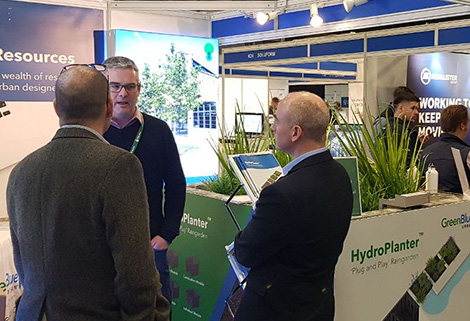
waterways management exhibition stand

waterways management show

The Show has already attracted important industry association support, more notably from Chartered Institution of Highways & Transport (CIHT), National Highways, Civil Engineering Contractors Assoc (Southern), Pipeline Industries Guild and many others.

This event will accommodate 100 exhibitors and two seminar theatres, with one dedicated to sustainability. The organizers will be inviting leading lights, technical experts and academics to present, but it will be open to anyone with an interesting case study or objective presentation.
The National Civils Show is expected to attract at least 4,000 qualified and highly focussed trade visitors, which will swell, thanks to visitors coming across from the adjacent flood & drainage show, that will see 2,500 relevant visitors in 2025.

For more information, please see www.civilsshow.com, where you can download the current brochure and exhibitor list.

Indigo Media and EventsIndigo Media & Events Ltd (IME) is a trade show and conference organizer.

Contact: Eddie Milton Managing Director eddie@indigomediagroup.co.uk

Mob: +44 (0) 773 941 9797

freedom from the tap

freedom from the tap

how offgrid water empowers canal boat owners

Life on the canal offers real freedom—but water access often remains the last dependency. Planning cruises around tap points, lugging containers, and worrying about what’s in your tank can be frustrating.

At Offgrid Water, we’ve built a better solution: robust, low-power filtration systems that turn canal, river, or rainwater into safe, usable water—for everything from washing to drinking, depending on which stages you use.

Born on the Water

I founded Offgrid Water in 2023 after years living aboard. Like many continuous cruisers, I got fed up with chasing watering points. I wanted to be independent and couldn’t find a solution that didn’t cost a fortune.

So I built it.

Offgrid Water now serves canal boats, van-lifers, remote cabins and humanitarian teams, but our roots are on UK waterways.

Modular and easy to service

offgrid water systemThere are three parts to the canal water system.
StageOne – A rugged, plug-and-play filtration system for canal or river water. Perfect for washing up or showers.
StageTwo – Adds finer filtration, improving taste and clarity. Great for stage-one filtered water that needs polishing.
FinalStage (Reverse Osmosis) – Delivers exceptional, remineralised drinking water. Removes chlorine, nitrates, heavy metals, bacteria, viruses, PFAS and more.

Each stage can be used on its own, or stacked to suit your lifestyle. Many start with StageOne and upgrade when ready. The modularity also makes future repairs or replacements easier.

Engineered for Reliability

We’ve deliberately overbuilt the system to handle the rough realities of canal life:

• Simple, robust components - no screens or software to fail
• Housings made for high flow and easy servicing
• Mounting options designed to work under sinks or in engine bays
• Quick-change filters available online (10" x 2.5")

You’re never locked into buying proprietary cartridges—we use standard-sized filters that are easy to find and replace worldwide. That means long-term reliability and lower costs.
And everything is covered by a 2-year warranty and supported by real people—you can call or message us directly for help.

Low Power, High Performance

On forums, people often ask: How much power does it draw? The short answer: very little.

• StageOne uses 200W and will fill a 500 litre tank in 45 minutes.
• The FinalStage system uses just 60–70W while running (less than a laptop) and 1.4W on standby.
• Compatible with 12V leisure batteries and solar setups, even in winter.

We designed this to work through British winters, not just in theory. Customers have used it off-grid year-round without issue, filtering everything from roof runoff to dirty canal water.

Installation? Easy.

• StageOne is plug-and-play. Drop a hose in a tank or canal, plug it in, and you’re off.
• StageTwo and FinalStage require some plumbing but are well within DIY reach.
• No special tools, no programming, no faff.

We also offer install guides and phone support if needed!

Real Users, Real Results

One liveaboard recently told us:

“We’ve been using Offgrid Water for over six months now. We top up from rainwater and canal sources and haven’t touched a towpath tap since. It’s the first time we’ve felt genuinely self-sufficient aboard.”
Another added:
“I run the system from a solar-charged battery and still have headroom. The water quality is excellent—and I don’t need bottled anymore.”
 
Whether it’s topping up from a rain barrel or filtering River Lea water, our users report one thing again and again: freedom.


Offgrid Water provides water filtration solutions for canal and river boats, off grid homes and camps. We began with units designed for canal water but now produce portable systems to treat other water sources, such as rain, lake, borehole and river water.

+44 7746 553124
https://www.offgridwater.net/
https://www.facebook.com/people/Offgrid-Water/100093525938665/

electrika

electrika electric narrowboat show 2025

the silent revolution on the waterways

All Aboard the Electrika Electric Narrowboat Show!

The gentle lapping of water against the hull, the tranquil glide through picturesque landscapes, the charming locks and the friendly community – these are the timeless joys of narrowboating on the UK's intricate canal network. For centuries, these slender vessels have been the lifeblood of our waterways, evolving from horse-drawn workhorses to the diesel-powered leisure craft we see today. But a new era is dawning, a quiet revolution that promises to preserve the serenity and beauty of our canals for generations to come: the age of the electric narrowboat.

For those intrigued by this exciting transition, mark your calendars for July 11th and 12th, 2025, because the Electrika Electric Narrowboat Show is returning to Brinklow Waterside and Marina near Rugby. Following the resounding success of its inaugural event, Electrika 2025 is set to be even bigger and better, offering a unique opportunity to immerse yourself in the world of electric propulsion on the UK's inland waterways.

show boats and Old Nick

A Gathering of Innovation and Inspiration

Electrika is not just another boat show; it's a dedicated platform for early adopters, manufacturers, potential new owners, and anyone curious about the future of narrowboating. It's a place to share information, witness cutting-edge technology in action, and experience the unparalleled tranquility of silent cruising firsthand.

This year, the show has doubled the number of boat builders showcasing their electric hybrid narrowboats. Visitors can expect to see a diverse range of vessels, from fully electric boats powered solely by batteries to innovative hybrid models offering a blend of electric and traditional power. These boats represent the forefront of sustainable boating, demonstrating the potential for emission-free navigation on our beloved canals.

visitors and exhibitors at the Electrika Electric Narrowboat Show

Beyond the impressive lineup of showboats, more visiting electric narrowboats will be dotted around the marina, creating a vibrant hub for electric boating enthusiasts. Owners will be on hand to share their real-life experiences, offering invaluable insights into the practicalities and joys of electric propulsion. This direct interaction with those who have already embraced the technology provides a unique learning opportunity for those considering making the switch.

More Than Just Boats: Exhibitors and Experiences

Electrika will also host a range of exhibitors specializing in electric boat technology and related equipment. This is the perfect chance to meet manufacturers of electric motors, battery systems, solar panels, inverters, and charging solutions. Whether you're looking to build a new electric boat, convert an existing diesel model, or simply learn more about the components involved, the experts at Electrika will be ready to answer your questions and provide guidance.

Exhibitors 2025

To truly appreciate the benefits of electric propulsion, visitors will have the opportunity to take short boat trips and experience "silent cruising" for themselves. Imagine gliding along the water with only the gentle sounds of nature surrounding you – no engine noise, no fumes, just pure tranquility. This firsthand experience is often the most compelling way to understand the appeal of electric narrowboating.

exhibition tents at Electrika Electric Boat Show

Why Go Electric? The Benefits are Clear

The shift towards electric narrowboats is driven by a growing awareness of environmental responsibility and a desire to enhance the unique experience of canal travel. The advantages of electric propulsion are numerous:

Reduced Environmental Impact: Electric boats produce zero emissions while running on battery power, contributing to cleaner air and water in our precious canal environments. This is a significant step towards preserving the natural beauty of the waterways and reducing our carbon footprint.

Silent Cruising: The near-silent operation of electric motors dramatically enhances the peacefulness of canal travel, allowing boaters to fully immerse themselves in the natural surroundings and enjoy conversations without the constant drone of a diesel engine.

Lower Running Costs: While the initial investment in an electric system may be higher, the long-term running costs are typically lower due to reduced fuel consumption and less frequent maintenance. Electricity is often cheaper than diesel, and electric motors have fewer moving parts, leading to lower maintenance requirements.

Smoother Operation: Electric motors offer instant torque and smooth acceleration, resulting in a more responsive and enjoyable boating experience. Manoeuvring around tight bends and through locks can also be easier with the precise control offered by electric propulsion.

Potential for Self-Sufficiency: With the integration of solar panels and efficient battery management systems, electric narrowboats have the potential to become largely self-sufficient in terms of energy, reducing reliance on shore power and further minimizing their environmental impact.

swans in clean electric boat environment

A Nod to the Past, A Look to the Future

The history of narrowboats is deeply intertwined with the industrial revolution, serving as vital arteries for trade and transportation. Today, while their primary role has shifted to leisure and lifestyle, they remain an iconic part of Britain's heritage. Embracing electric propulsion is not about abandoning this history but rather about ensuring its sustainable future.

The UK's canal network, managed by the Canal & River Trust, faces ongoing challenges in terms of funding, maintenance, and the increasing impacts of climate change. The adoption of cleaner technologies like electric propulsion can contribute to a more sustainable future for these invaluable waterways, helping to preserve them for the enjoyment of generations to come.

Events like Electrika play a crucial role in driving this transition by bringing together innovation, expertise, and enthusiasm. It's a chance for the boating community to learn, connect, and be inspired by the possibilities of electric narrowboating.

Plan Your Visit to Electrika 2025

Electrika 2025 promises to be an unmissable event for anyone interested in the future of narrowboating and sustainable technology. Located at Brinklow Waterside and Marina, a centrally located and well-equipped venue, the show offers easy access for visitors.

Entry to Electrika is free, but attendees must book their tickets in advance via the Electrika website (https://electrika.uk). This will help the organizers plan for the expected number of visitors and ensure a smooth experience for everyone.

For those wishing to extend their stay, camping for tents and motor-homes will be available this year, bookable through the Brinklow Marina office (Tel: 01788 641007). This provides a convenient option for visitors traveling from further afield. And with live entertainment both nights, it’s the perfect occasion to socialise with like-minded people.

Don't miss this opportunity to be part of the silent revolution on the waterways. Come to Electrika 2025, explore the latest in electric narrowboat technology, connect with fellow enthusiasts, and experience the tranquil future of canal cruising. It's time to embrace a greener, quieter, and more sustainable way to enjoy the timeless beauty of Britain's canals. All aboard!

Kate and Paul Sumpner
Paul & Kay Sumpner Event Coordinators

Website = https://elctrika.uk

E-Mail = info@electrika.uk

rcr 25th anniversary celebration

Celebrating RCR's 25th anniversary

join in with the party!

stephanie horton

Stephanie Horton - River Canal Rescue


This year, River Canal Rescue (RCR), is celebrating its silver jubilee. The company supports boaters using our 3,600 mile inland waterway system 24/7, 365 days a year, and in recognition of its 25 year journey, RCR is inviting everyone to its celebration event on Sunday 8 June at the Stafford Riverway Link site, Baswich Lane, Stafford ST18 0YJ, near to RCR HQ (what three words cracks.lowest.mile).The free outdoor celebration is from 1pm-7pm, and gates will open for live music, food/drink, roving traders, children’s entertainment, activities, prize draws, stalls and exhibitors.


party inviteMooring facilities are available for roving traders, and mooring further along the Staffs & Worcs canal for non-traders. Parking is also available at nearby RCR HQ in Tilcon Avenue.

Bringing together the local community, boaters, past and current RCR members, staff and families, the event will also raise money for the Stafford Riverway Link - a charity working to connect the Staffs & Worcs Canal with the rivers Penk/Sow, enabling navigation onto Stafford town centre.

Life on the cut

RCR is also launching a competition for all boaters across the UK, open to those who can and can’t attend the event, asking for a short story about life on the water.

It must relate to a boating experience over the past 25 years and can be funny, dramatic etc, as long as it reflects ‘real life’ on the cut. A maximum of 700 words and up to three photos are required, and the deadline for entries is Friday 16 May. The winner will receive a CRT mooring licence worth £700,runner-up £300 in chandlery vouchers and third-place £200.

Email your story and photos to boatstory@rivercanalrescue.co.uk