green boating is the next big wave
how battery-electric canal boats, eco-friendly vessels & sustainable waterway living are reshaping life on the cut
The quiet hum of an electric motor replacing the clatter of diesel is becoming the new soundtrack of Britain's canals. Green boating—centered on battery-electric canal boats, eco-friendly vessels, and sustainable waterway living—is transforming how people experience and inhabit the cut. This isn't just a niche trend for eco-enthusiasts; it's the next big wave in UK waterway culture, driven by environmental awareness, technological advances, and a growing desire for slower, more mindful travel. According to our latest research, the global battery-electric canal boat market size was valued at USD 518 million in 2024, reflecting a robust expansion driven by the growing demand for sustainable waterway transportation solutions. The market is projected to reach USD 1.62 billion bt 2033, growing at a CAGR of 13.5% during the forecast period from 2025 to 2033.
The Environmental Imperative: Why Canals Need Green Boating
Britain's canals face unique environmental challenges. These narrow, often slow-moving waterways are particularly vulnerable to pollution from diesel engines, which release particulates, carbon monoxide, and unburned fuel into the water. Traditional narrowboats, the backbone of UK canal culture, typically run on diesel engines that can contaminate water quality and disturb delicate ecosystems supporting aquatic plants, fish, and wildlife.
The Canal & River Trust, which manages over 2,000 miles of waterways in England and Wales, has identified water quality as a critical priority. Diesel pollution contributes to oxygen depletion in water, harming fish populations and disrupting the natural balance that allows duckweed, water violets, and other aquatic vegetation to thrive. Noise pollution from diesel engines also disturbs birds and wildlife that have returned to canal corridors as urban green spaces.
Green boating addresses these problems directly. Battery-electric canal boats produce zero emissions during operation, eliminating the risk of fuel spills and reducing the carbon footprint of canal travel. For liveaboards—people who permanently reside on canal boats—the switch to electric represents a commitment to sustainable living that aligns with broader environmental values.
Battery-Electric Canal Boats: Technology Meets Tradition
The technology behind battery-electric canal boats has matured dramatically in recent years. Modern electric propulsion systems deliver the same torque and reliability as diesel engines while offering significant advantages in efficiency and maintenance. A typical electric narrowboat can travel 40-60 miles on a single charge, sufficient for most day trips and weekend holidays on UK canals.
Key Technological Advances
Battery Capacity and Chemistry: Modern canal boats use lithium-ion batteries with capacities ranging from 20 kWh to 80 kWh. These batteries offer higher energy density, longer lifespans (8-10 years), and faster charging times than older technologies. Some manufacturers are experimenting with solid-state batteries that could double current capacity while reducing weight.
Charging Infrastructure: The charging network along UK canals has expanded rapidly. The Canal & River Trust has installed over 150 electric charging points at key mooring locations, including Birmingham, Manchester, London, and the Midlands ring. Many public houses, boat clubs, and holiday bases now offer charging facilities. Solar-powered charging stations are emerging at scenic locations, allowing boats to recharge using renewable energy generated on-site.
Motor Efficiency: Electric motors for canal boats deliver 90-95% efficiency compared to 30-40% for diesel engines. This means less energy waste, longer range per charge, and reduced heat generation. regenerative systems can even capture energy when the boat slows, extending range by 10-15%.
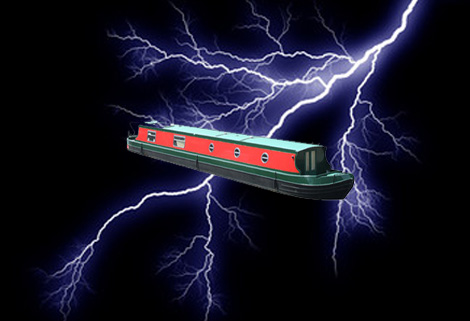
Leading Electric Boat Manufacturers
Several UK manufacturers have entered the electric narrowboat market:
- Ortomarine – UK based builder specializing in the incorporation of electric propulsion systems into custom narrowboats and canal boats - typically a blend of battery-based and solar supported modular systems.
- Ovation Boats (Charnwood Cruisers range) – Creates canal boats which can accommodate electric drive propulsion for leisure craft, and inland cruising craft.
- Mothership Marine - Mothership Marine, established in 2013, is a UK leader in sustainable electric boat solutions, specialising in solar-powered narrowboats and classic wooden vessel conversions.
These boats typically cost 15-25% more than comparable diesel models, but owners report lower operating costs due to reduced fuel expenses (electricity is cheaper per mile than diesel) and minimal maintenance (no oil changes, filter replacements, or engine tune-ups).
Eco-Friendly Vessels: Beyond Electric Motors
Green boating extends beyond electric propulsion. Eco-friendly vessels incorporate sustainable materials, energy-efficient design, and waste-reduction features throughout their construction and operation.
Sustainable Construction Materials
Traditional narrowboats use steel hulls, fiberglass interiors, and synthetic materials that have high environmental footprints. Eco-friendly alternatives include:
- Recycled Steel Hulls: Using steel from decommissioned vessels reduces mining and processing impacts
- Natural Fiber Insulation: Hemp, wool, or cellulose insulation replaces fiberglass and foam
- Bamboo or Reclaimed Wood: Interior paneling and furniture from sustainable sources
- Low-VOC Finishes: Paints and sealants that don't release volatile organic compounds into water or air
Energy Efficiency Features
Modern eco-vessels integrate multiple energy-saving technologies:
Solar Panels: Roof-mounted solar arrays (200-400 watts) supplement battery charging, particularly useful during summer months when daylight is abundant. Some boats generate enough solar energy to power all onboard electronics without additional charging.
Heat Recovery Systems: Electric heating systems with heat pump technology provide efficient cabin heating while using less energy than traditional diesel heaters. Some systems recover heat from the motor itself, reducing overall energy consumption.
Water Conservation: Compact water filtration systems, composting toilets, and rainwater collection reduce the need for fresh water refills and minimize waste discharge.
Waste Management
Eco-friendly boats prioritize waste reduction:
- Composting Toilets: Eliminate the need for chemical waste tanks and reduce water usage
- Greywater Filtration: Treats water from sinks and showers before release, protecting water quality
- Zero-Plastic Policies: Many eco-boaters avoid single-use plastics, using reusable containers and biodegradable alternatives
Sustainable Waterway Living: The Liveaboard Movement
The liveaboard community—people who permanently reside on canal boats—is at the forefront of sustainable waterway living. For many liveaboards, choosing an electric or eco-friendly vessel is part of a broader lifestyle commitment to minimalism, environmental responsibility, and connection with nature.
Why Liveaboards Choose Green Boating
Environmental Values: Many liveaboards are motivated by climate concerns and desire to reduce their carbon footprint. Living on a boat naturally reduces consumption (smaller space, fewer possessions), and electric propulsion extends this philosophy to transportation.
Quality of Life: Electric boats offer a quieter, smoother experience. The absence of diesel smell, engine noise, and vibration creates a more peaceful home environment. This is particularly important for families with children or pets.
Cost Savings: While electric boats have higher purchase prices, operating costs are lower. Electricity costs approximately £0.15 per kWh compared to diesel at £1.50 per liter. For a boat traveling 500 miles annually, electric power costs £30-50 versus £200-300 for diesel. Maintenance savings add another £200-400 annually.
Community and Identity: The green boating community is growing, with boat clubs, social groups, and online forums connecting eco-conscious waterway residents. This community provides support, shared knowledge, and a sense of belonging.
Challenges for Green Liveaboards
Despite advantages, green liveaboards face practical challenges:
Charging Availability: While charging infrastructure has expanded, it's not yet universal. Remote canal sections and rural moorings may lack charging points, requiring careful route planning.
Range Anxiety: Electric boats have limited range compared to diesel. Liveaboards who travel frequently or venture far from charging hubs must plan carefully or consider hybrid systems.
Winter Performance: Battery efficiency decreases in cold weather, reducing range by 20-30% in winter. Proper insulation and heating systems are essential for year-round living.
Initial Cost: The 15-25% price premium for electric boats can be prohibitive for some buyers, particularly those entering the liveaboard market with limited budgets.
Peer-to-Peer Boat Rentals: Making Green Boating Accessible
Peer-to-peer (P2P) boat rental platforms are democratizing access to green boating. Platforms like Borrow a Boat, Ohba, and canal-specific rental services allow boat owners to list their electric or eco-friendly vessels for short-term rentals, making sustainable canal holidays accessible to people who can't afford to purchase a boat.
How P2P Rentals Work
- Owner Listings: Boat owners list their vessels with details on battery capacity, range, and eco-features
- Renter Booking: Renters search for boats matching their needs (size, location, ecological features)
- Verification: Platforms verify boat condition, charging equipment, and safety features
- Rental Experience: Renters receive instruction on electric boat operation and charging procedures
- Feedback: Both parties review the experience, building trust in the platform
Benefits for Green Boating
Lower Barrier to Entry: Renters can experience electric boating for £400-800 per week versus £40,000-80,000 for purchasing. This allows people to test the lifestyle before committing to a purchase.
** Increased Exposure**: P2P platforms expose thousands of new users to electric boating, building awareness and interest in green alternatives.
Owner Income: Boat owners earn income from rentals, offsetting purchase costs and making electric boat ownership more financially viable.
Sustainability Multiplier: One electric boat can serve multiple renters annually, maximizing the environmental benefit per vessel.
Heritage Tourism: Connecting Past and Future
Green boating aligns surprisingly well with heritage tourism on UK canals. Many canal visitors are drawn by historical interest—the Industrial Revolution legacy, preserved tunnel systems, historic bridges, and restored warehouses. Electric boats enhance this experience by providing silent, pollution-free travel that doesn't detract from the historical atmosphere.
Heritage Routes and Electric Boats
Certain canal routes are particularly popular for heritage tourism:
- Kennet and Avon Canal: Connects Bath to Bristol, featuring historic tunnels and Viaducts
- Llangollen Canal: Welsh borders scenery with 18th-century engineering
- Macclesfield Canal: "The Chase" section with historic industrial sites
- Panther Canal: Manchester's industrial heritage corridor
Electric boats are ideal for these routes because their quiet operation allows visitors to appreciate historical structures without engine noise, and zero emissions preserve the integrity of historic masonry and prevent water contamination near heritage sites.
Tourism Industry Response
Canal holiday companies are responding to demand for green heritage tourism:
- Holiday Base Operators: Many now offer electric boat rentals alongside traditional diesel options
- Tour Packages: Some companies create "eco-heritage" packages combining electric boating with guided historical tours
- Educational Programs: Boat clubs offer workshops on canal history and environmental stewardship
The Future of Green Boating on UK Canals
Policy and Regulation
The UK government has signaled support for zero-emission watercraft through:
- Funding Programs: Grants for charging infrastructure and electric boat development
- Zoning Regulations: Potential "quiet zones" on canals where diesel engines are restricted
- Emission Standards: Tighter regulations on waterway pollution that favor electric alternatives
The Canal & River Trust's "Waterways for Tomorrow" strategy includes targets for 50% of holiday boats to be electric by 2030.
Technological Advances
Future developments will address current limitations:
- Higher Capacity Batteries: Solid-state and lithium-sulfur batteries could double current range
- Faster Charging: Ultra-fast charging (15-20 minutes) will reduce downtime
- Hybrid Systems: Diesel-electric hybrids will offer flexibility for long-distance travel
- Smart Charging: AI-powered systems optimizing charging based on weather, route, and battery status
Market Growth
The canal boats and narrow boats market is projected to grow from $1.5 billion in 2025 to $2.2 billion by 2033, with electric vessels capturing an increasing share. Industry analysts predict electric narrowboats will represent 25-30% of new sales by 2030, up from less than 5% today.
Conclusion: Joining the Green Wave
Green boating is no longer a futuristic concept—it's a present reality reshaping UK canal culture. Battery-electric canal boats offer practical, enjoyable alternatives to diesel, eco-friendly vessels minimize environmental impact, and sustainable waterway living aligns with broader values of conservation and mindfulness. Peer-to-peer rentals make green boating accessible to newcomers, while heritage tourism connects this modern movement with the canals' rich history.
For anyone considering canal boat holidays, liveaboard living, or simply exploring UK waterways, green boating presents an opportunity to enjoy these historic corridors while contributing to their environmental preservation. The quiet hum of electric motors, the absence of diesel smell, and the satisfaction of zero-emission travel represent not just technological progress but a deeper connection to the natural and historical landscape of Britain's canals.
The next big wave in green boating isn't coming—it's already here, and it's inviting everyone to join.
UK electric canal boat manufacturers