With winters getting colder and sub-zero temperatures becoming more common, River Canal Rescue has put together some tips on how to winterise your narrowboat and so avoid costly repair bills.
cooling systems
Just like vehicles, any closed loop cooling system needs to have anti-freeze added and replaced (per manufacturers guidelines). Not only will this minimise the risk of splits or fractures associated with freezing water, it will improve the engines cooling efficiency and minimise corrosion risk to the engine.
Where raw water (drawn from the river) cooling systems are in place, drain down by briefly running the engine when out of the water to ensure the system is empty. If afloat, the quickest and simplest solution is to shut off the inlet valve (seacock) and drain as much water from the system as possible.
Where no drain plug is available, disconnect a hose, drain the water from the system and leave disconnected. Although this will not empty the system completely, it will allow for expansion should the water freeze and reduce the risk of ruptured pipes. Its also worth insulating any accessible tight bends as this is where fluid will collect even after draining. Once you're ready to start cruising again, reconnect any pipes, refill the system and open the seacock.
If the engine's winterised or seacocks closed, clearly mark the engine and its controls; it should prevent accidental operation.
general checks
Check lockers, cockpit and other areas to ensure all drain holes and plugs are clear of debris, leaves, dirt etc. These areas block easily and in heavy or prolonged rain, can cause a vessel to take on water causing corrosion where the waters left sitting or even worse, sinking.
Always test the bilge pump and if possible, invest in an automatic one its far more reliable than a manual. Many of the sunken vessels attended over the summer would still be afloat if they had an automatic pump fitted. An automatic bilge pump immediately responds to water ingress with the float switch dictating when it should pump. Should a leak develop from cooling system, hull or other source (or theres a build up of rain water), this will keep your vessel safe.
Regular checks to ensure batteries are charged are vital. Test the battery charge levels before leaving the boat and when you return or before a long journey. Heavy rainfall, leaking stern glands and issues with weed hatches can result in water ingress that quickly fills the boat and causes it to sink. If batteries go flat at a critical point it can be devastating.
Grease the stern tube before leaving the boat, this will prevent water ingress. Although most stern glands leak once the propeller turns, the grease acts like a seal whilst not in use.
Water in a boat will cause it to be lower in the water, placing outlets such as those for a shower, sink or air vent, nearer to the water level (leading to catastrophic results!).
Ensure boat mooring pins and ropes are secure, yet slack enough to deal with the normal rise or fall of water levels. Where possible attach a long rope to a tree or higher ground, so that if flooding occurs, or the boat becomes loose in high winds, the additional rope could provide a much-needed safety line. In extreme weather or prolonged rainfall, visit the boat regularly to adjust mooring ropes and check bilge pumps and batteries are coping with the situation.
Its also a good idea to run the engine for an hour every time you visit as this pushes oil around the engine and prevents rusting, plus it tops up the battery if left running long enough (beware of doing this if you've drained the cooling system!).
Spray terminals with a silicone-free lubricant and grease all available grease points on the engine and drive, plus electrical connectors. Also lubricate linkages and gear/throttle slides, this will prevent rusting/corrosion and give these components a longer life.
generators
If not in use, store in a gas-tight locker the same regulations as Liquid Petroleum Gas (LPG) apply.
water and heating
Freezing temperatures can cause split or fractured pipes which, if left over a gradual period, can lead to complete or partial flooding.
Drain down the water system (including drinking water and cistern) and leave taps in the open position. Most water heaters have a screw plug at their base and can accommodate an old-fashioned cycle pump which makes the emptying of water that much quicker.
Taps should be left open because if any water is left in the system and it freezes, the pressure on the pipes will be less due to air coming out of the taps.
An unnoticed pipe split and flooding will almost certainly lead to sinking which may not be covered by insurers (not all cover frost damage and a gradual incursion of water may not be classed as accidental). If covered, insurance policies normally insist machinery is winterised according to manufacturers recommendations. If not available, the advice of a qualified engineer should be sought. Taking no precautions is asking for trouble.
Lag your hot and cold pipes and top up anti-freeze in keel cooling and other sealed heating systems (such as radiators connected to the boiler). This point is repeated because its the single most important thing to do, whether your narrowboat is being used over the winter period or not.
protecting possessions
Remove or put out of site any alcohol, valuable and electrical items. If you have a secure mooring this might not be such an issue, but if in doubt, take it out.
Invest in decent locks, your insurance policy requires this and its more likely to deter thieves.
Ensure all windows and access points are firmly closed and locked before leaving the vessel and visit regularly. Prevent the theft of external items, such as mushroom vents, solar panels and chimneys, by fixing with extra-strength sealant and invest in security shear nuts. Ask neighbouring boats to call if they have any concerns.
diesel treatment
Excessive water in the tank can lead to water feeding through the fuel system (RCR regularly removes large quantities of water from fuel tanks in the early cruising season). To prevent this;
Regularly check your filler cap seal and replace if worn, cracked or damaged. The cap sits lower than the deck so if its been raining wipe away excess water before opening the cap.
Either leave the tank empty during winterisation and remove any water on your return or leave the tank full and treated*.
*Fuel treatments remove water and deal with contamination such as diesel bug – where enzymes, bacteria etc live off the water in diesel and affect the diesel properties. Inactive boats are more at risk of growth developing in the fuel tanks so treat with Marine 16 Diesel Fuel Complete.
freezing weather & ice
If the boat's encased in ice and you're worried about the effects on the hull take care breaking the ice can result in more damage than simply leaving it. The only time the ice should be broken is if you need to move, and this should be only undertaken with caution. The stress on the hull from a large surface area of ice is huge and at a minimum will cause damage to the blacking.
don't forget to de-winterise
Having gone through the winterisation process, its important to do the reverse when the warmer weather arrives. This means closing the taps, replacing the plug in the water heater and switching the water pump on.
Prior to cruising, run your engines up to running temperature (if a gauge is available onboard) or for approximately 1/2 hr. Check every inch of the cooling system for leaks or escaping steam and if something is found, immediately call-out a qualified engineer.
For domestic water supplies; once the water pump is back on, open and run water through each tap. Start with those closest to the pump and work through to the one furthest away this will push any air locks through the system. Drain any water in the tank out and refill with fresh drinking water.
Remember servicing, including the engine, LPG and electrical systems, plus fire extinguishers and escape hatches. Everything should pass Boat Safety Scheme scrutiny.
Although no action is needed for gas pipes at the start of the winter, its a good idea to paint connections with 50% soap liquid and 50% water using a small artists brush this will show up any minor gas leaks at the joints.
Before you run the engine, check water trap filters and remove any excess water. If water is present or there are signs of diesel bug (black dust or jelly), dip the tank to identify the severity of the issue and then treat with a fuel treatment or have the fuel polished accordingly.
The easiest way to check for water in the tank is to use a clear plastic hose. Drop it into the tank (being careful not to disturb the fuel) and when you feel the bottom, place your thumb over the end to seal it and withdraw the hose. This should provide you with a sample of the tank (plus an indication of any diesel bug contamination) and show the amount of water present.
REPRODUCED BY KIND PERMISSION OF RIVER CANAL RESCUE
River Canal Rescue runs boat and engine maintenance courses throughout the year
To find out more visit: website; write: enquiries@rivercanalrescue.co.uk or call 01785 785680.

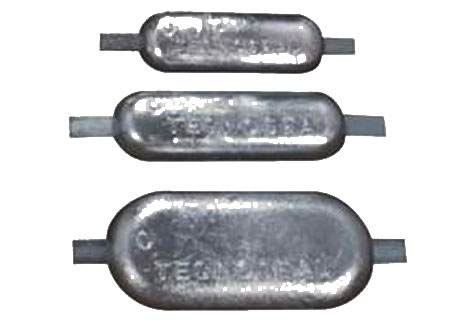 what is an anode?
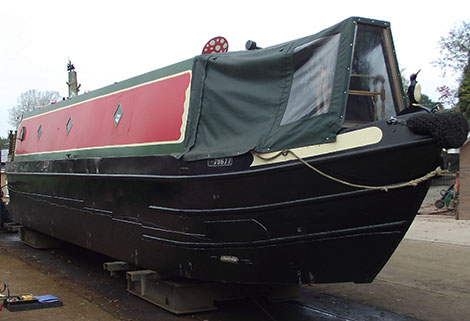 do I need anodes?
 choosing your anodes
 Anodes Direct provide anodes of various materials to commercial and leisure craft throughout the UK and Europe. We specialise in providing marine anodes sourced only from the best manufacturers including Tecnoseal, MME, MG Duff, UK Anodes, Performance Metals, Piranha, Vetus, Side Power, Gori, Bruntons & Darglow. Zinc for Sea Water, Aluminium for Brackish Water, Magnesium for Fresh Water. We are always ready to advise and help, so do get in touch!
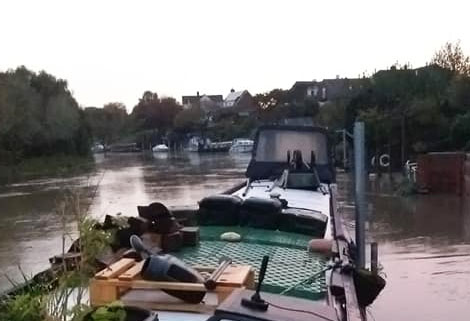 RCR managing director, Stephanie Horton, advises: “The key to dealing with our increasingly extreme weather conditions is timing and balancing health and safety. In order to stop a vessel drifting onto land when water levels rise, position a scaffold pole or poles, or a boarding plank, between the boat and the river/canalside edge and fix it into position. This acts as a mooring post, preventing flood waters from floating the boat onto land.
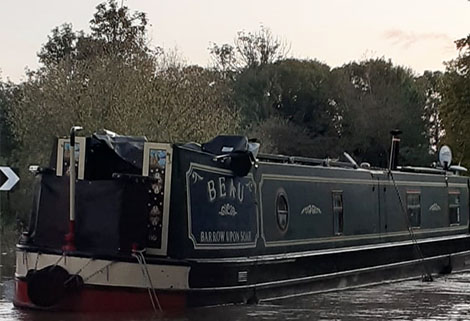 “If the boat has drifted, it’s all about timing; when the water levels start to go down, try to push the boat back into the water or off the land before they drop too far. But be cautious as this can be dangerous, particularly if you’re unable to see under the water.
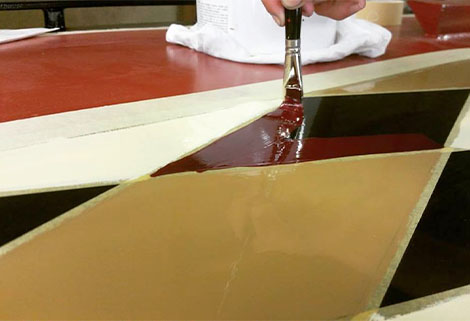 So, what goes through our minds as we literally watch paint dry?
 Willow Boat Painting is a great little team operating out of Swanley Bridge Marina in Cheshire. We are headed up by mum and son Sally and Alex with much able assistance from Charlotte Seabrook. We are dedicated to high quality coach painting of narrowboats and take enormous pride in our work. We approach each narrowboat with a firm plan for how to provide a durable paint job and every attention is given to ensure our boats are meticulously well finished.
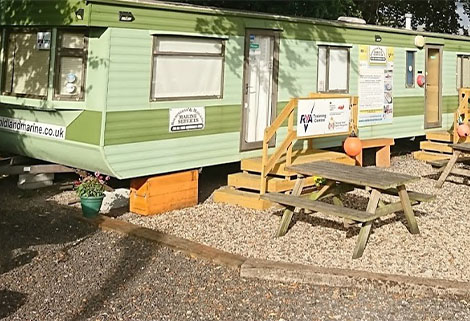 'BMM' is a small business; just myself (with the help of 'Morgan' the dog, my Lurcher), my Wife Francoise assists with the website, Frans, Aubrey, Bob, Carl and Adrian are all part-time, freelance instructors with Bob acting as equipment manager and helping me run the jobs and training we offer.
 The 'Leisure' industry on the canals and rivers in the UK is a hugely well catered for sector: the commercial side of things was an untapped market. 'BMM' are filling this gap with a range of services that was otherwise untouched.
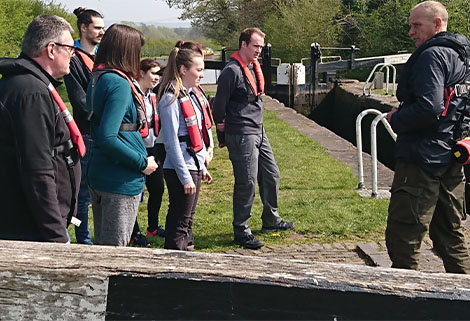
 An employer / organisation / trust putting personnel near the water's edge; 'should the risk of accidental immersion have been shown in the risk assessment' are obliged to provide water safety awareness and APPE (Aquatic Personal Protective Equipment) training to their personnel. Particularly relevant should those personnel 'be managing groups'.
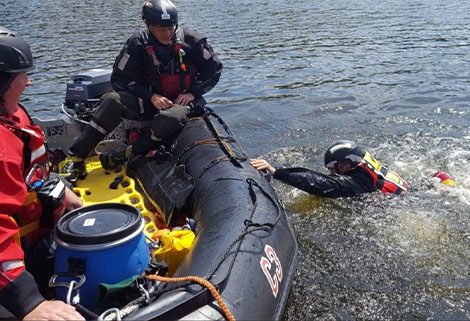 Having worked as an MCA BoatMaster commercially since the 1990's and many years as a safety & rescue boat operator and rescue technician the evidence was seen on regular basis to show that professional commercial training was needed for the canal and river environment. That was
 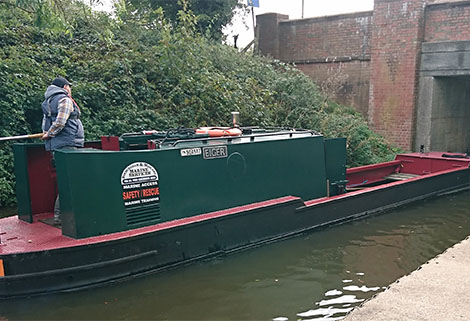 Initially we began running 'commercially orientated' skipper training aboard a commercial vessel. Many folks that have undertaken a boat handling licence did so on a 'holiday hire' type vessel or a standard narrowboat. This is ideal for 'leisure' boating but does not train the candidate in commercial handling, for example all the manoeuvres and control needs to be from the stern rather than crewed from the bows - no access through on commercial vessels when loaded.
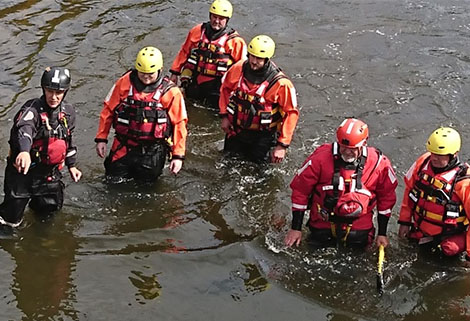
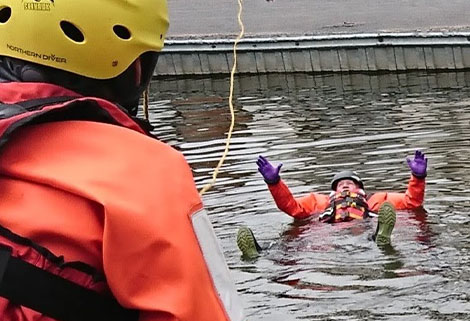 We then branched out to water safety awareness then rescue training via the Royal Life Saving Society: for employers we provide the 'National Water Safety Management Programme' and Outreach Rescue 'Water Rescue Awareness' and Water Rescue First Responder' training. For those personnel without a statutory duty to respond we also run a short course; the 'Water Rescue Equipment Training' course developed again by the RLSS.
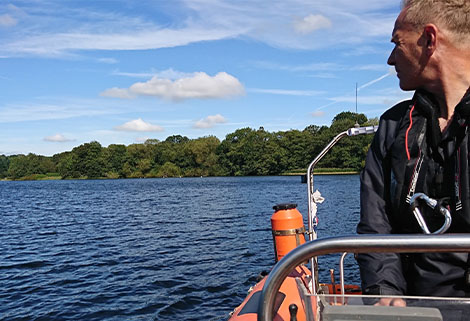 Next we commenced training Powerboat operators intending upon a career in the marine rescue sector - RYA Powerboat Level 2 and Outreach Rescue 'Powered Boat for Rescue Response' - ensuring that safety boat teams working on contracts on the inland waterways have a comprehensive background in ensuring their clients safety. This is something that needs to be acted upon as the accepted industry standard is a very basic qualification and leaves room for accidents, injuries and fatalities.
 RYA, RLSS, Outreach Rescue & MCA Training Centre Principal; Gailey Wharf Training Centre.
 Precision control at your fingertips, you command as little or as much power as needed!
 Both the owner and his employees were very impressed with the system.

 For more than 50 years, VETUS has been an internationally operating developer, manufacturer and trading company, selling marine engines, generators and technical equipment for recreational craft and small commercial vessels.
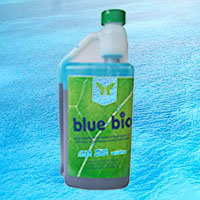 No other product illustrates this versatility more than their groundbreaking environmentally friendly toilet fluid Blue Bio. Launched at a time when 99% of the leisure industry used formaldehyde or glutaraldehyde based products that simply preserve waste until it can be off loaded at a suitable processing station to be treated as hazardous waste, Blue Bio was a game changer.
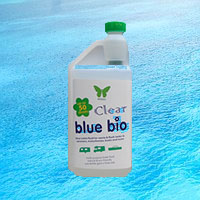 Taking this on board, we developed a prototype clear version which Linda kindly set about testing, finding it to be the perfect product for use in toilet tanks within all their boats. Linda told us “all boaters that have trialled this new Clear Blue Bio have reported that it successfully cleans the toilet as well as getting rid of all bad odours, with the improved fragrance of the fluid also being very well received”.
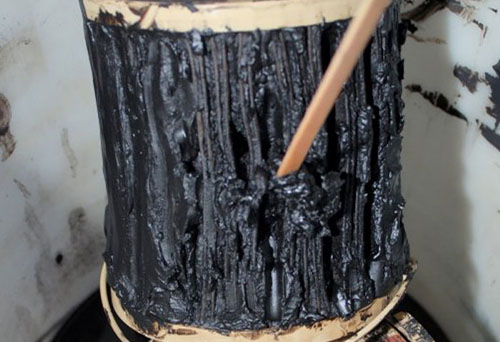
 RCR managing director, Stephanie Horton, comments: “Fuel problems are mainly caused by diesel bug and contaminated water. Diesel bug is an enzyme that lives off water in the diesel, either appearing as black dust/ soot or a black slime/jelly. Once in the system it clogs the engine’s fuel arteries and stops the engine working. Mild cases will respond to a fluid ‘Marine 16’; it prevents bacterial growth and kills anything that may be forming in the tank. More severe cases require a diesel bug shock treatment. Dirt and debris can also block filters and contaminate fuel so check and service regularly.
 “General wear and tear is the main cause of gear box and drive plate failure, so regularly service the gear box. When hitting an underwater object, it may affect the drive plate, but not necessarily the gear box. With a fouled propeller, loss of propulsion is commonly due to the prop being covered in debris such as weed or leaves. Clear by putting the engine into reverse.

 To find out more about River Canal Rescue go to their
 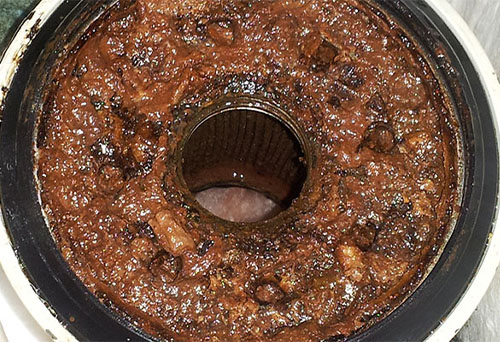 Diesel bugs are microbes that live at the interface between water and diesel fuel.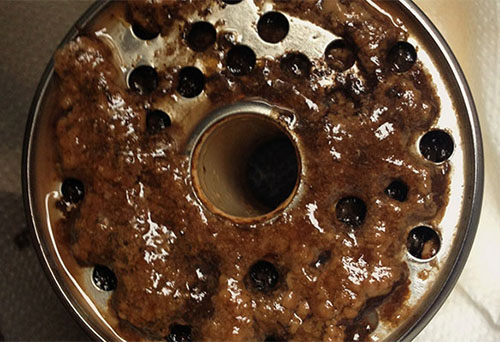
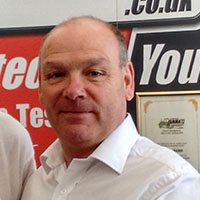 Ian Currie is the owner of Fuel Guard, and has 25 years of experience associated with heavy trucks, earth moving, plant hire, construction, marine and the agricultural market -specialising in fuel, lubrication and filtration systems.