
How Leisure Boat Demand Is Changing Across UK Canals
from narrowboats to hire boats
Leisure boating on British inland waterways is growing. People enjoy self-catering holidays, short breaks and experiential holidays in these areas. Inland waterways are becoming increasingly popular as they offer trips to historic places, beautiful scenery and peaceful environments. The diversity of leisure boats available in the UK market has increased.
Preferences for different types of holidays, costs of ownership, environmental factors and canal tourism’s ease of access are all contributing to the change. While narrowboats are important to Britain’s inland boating tradition, there is another option for those who would like to experience boating but do not wish to own their boats.
Changing Demand Across UK Canals
There is a variety of different types of boats operating in the inland waterways in the UK. These include private leisure craft, regular cruisers, charter craft and commercial craft. As a result of this, there has been a change in the type of boats owned and, in the place where boats are docked. While narrow boats have remained popular among specialist owners, charter vessels offer tourists a greater flexibility and so there is a wide variation in the demand for leisure boats in the UK.
Within the recreational market, there are 2 types of Customers:
Ownership Users: Individuals / Families using narrow boats for regular leisure, long breaks or living.
Hire Users: People on holiday hiring the boats for short breaks, week-long breaks, family visits and special occasions.
These types of users all contribute to the inland waterway boating industry however each will have different purchasing criteria, running costs and expectations.
From Traditional Narrowboat Ownership to Flexible Hire
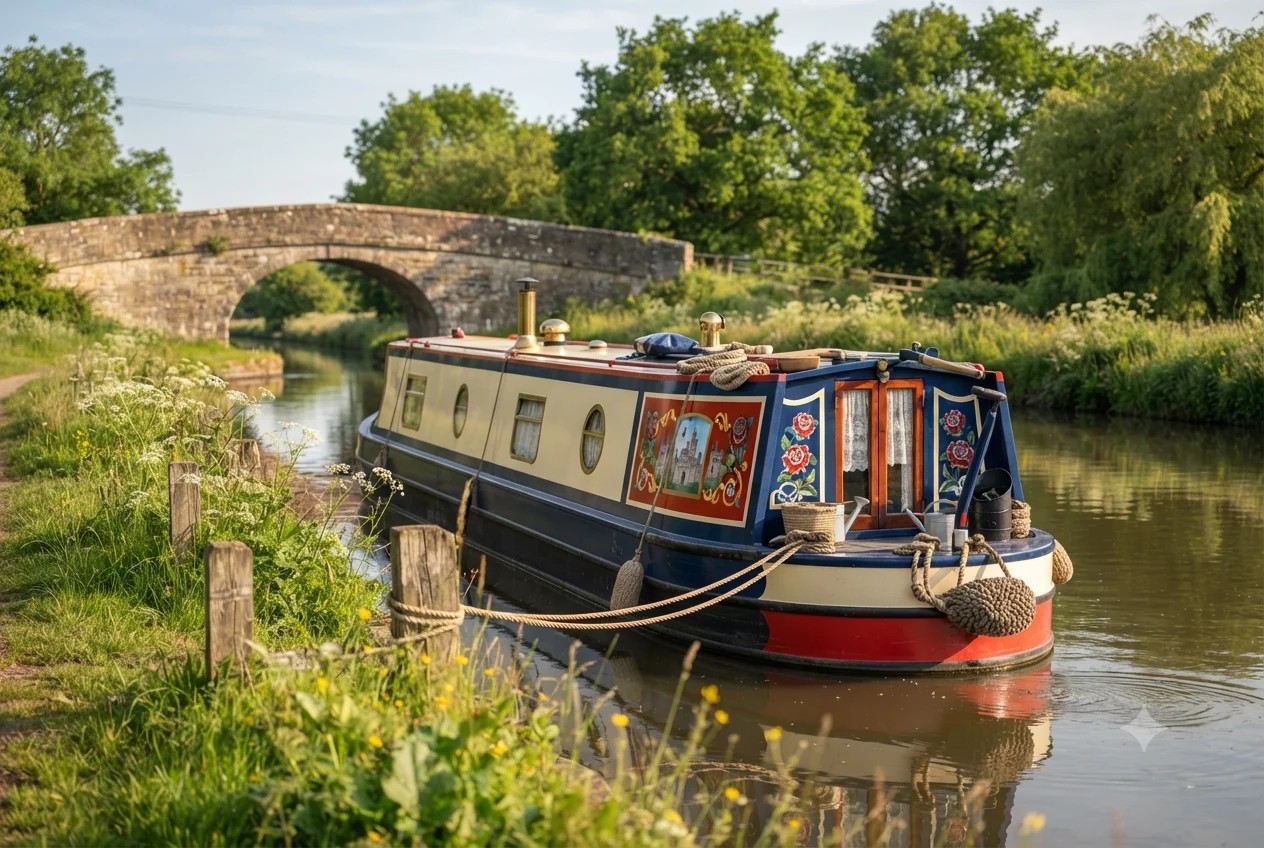
Narrow boats have traditionally appealed to owners wishing to conduct long distance journeys. Typically, these people will have gained some knowledge on managing locks, correct mooring, engine maintenance and restrictions within navigation.
However, owning a narrow boat can result in regular costs. These Include:
*Initial vessel purchases and pre-purchase survey.
*Annual navigation licences and insurance.
*Marina or residential mooring charges.
*Engine servicing and hull maintenance.
*Fuel, electricity, heating and waste disposal.
*Repairs to mechanical and electrical systems.
Running costs will vary depending on the age, location, condition and use of the boat. On average, running costs will be around £4500 per year for boats that are 50ft long. Running costs consist of: Licensing, berthing, insurance, bottom painting, repairs and fuel. (Inland Waterways Association)
Rental
Costs for renting a boat differ from owning. You only pay for the period of time you are using the boat, and not for the costs involved in owning it. This is a good option for people who may not want to purchase a boat, or who have never done the activity before.
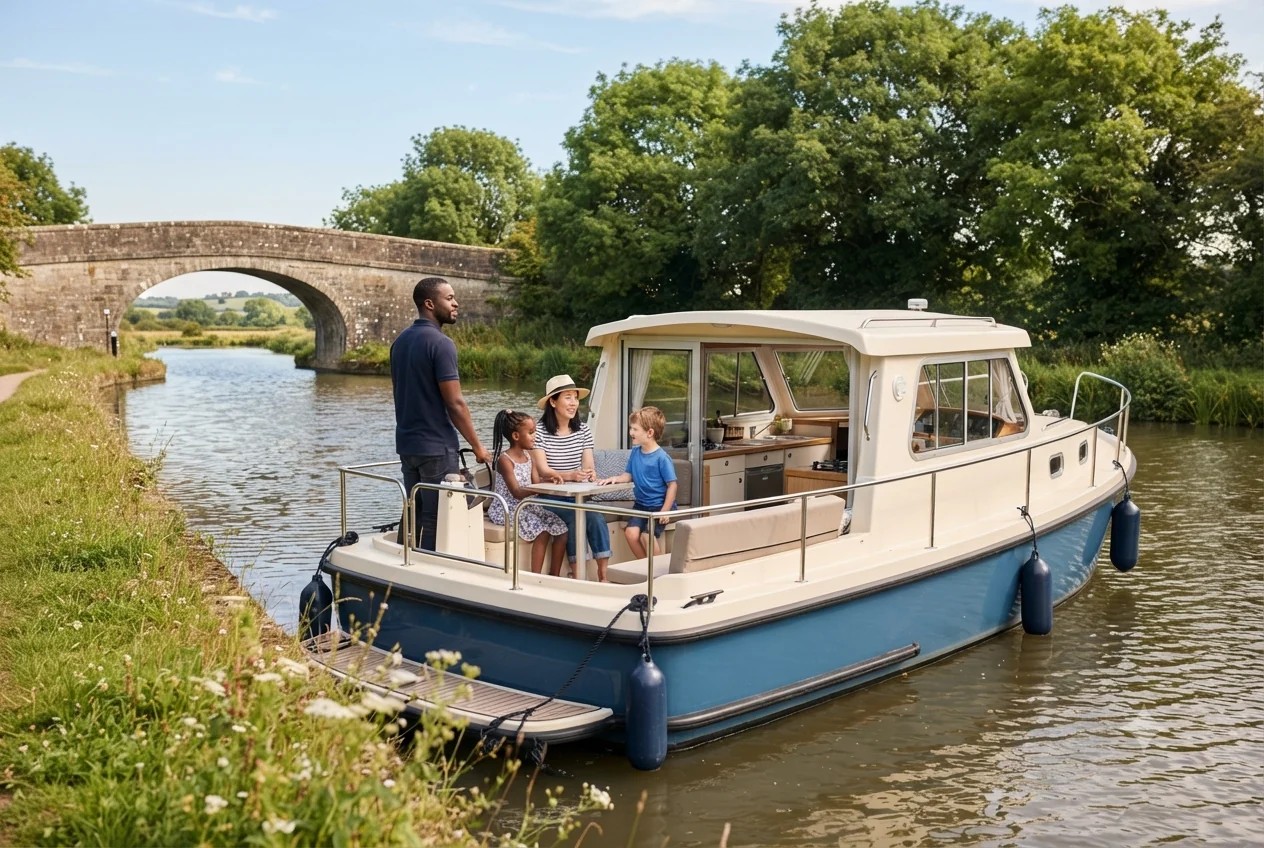
Demand for Hiring A Boat in The UK Is Increasing Due to The Following Reasons:
1. Shorter and Flexible Holidays
Le Boat has had an increase in short holidays within its business. In 2025, 48% of total bookings made were short trips. The number of bookings increased at a rate of 16% every year. From the UK, the number of bookings made in 2026 increased in comparison to the previous year by 21%, in March 2026.
2. Family and Group
A boat can be hired to allow for fun for family or group of friends. Large narrow boats withmany bedrooms, kitchens, bathrooms and deckchairs can be booked for longer journeys. Alternatively, day hire boats could be a popular choice for tourist looking to go on short trips.
3. Interest in Slow Travel
A water-based holiday provides tourists with the opportunity to travel to places they would not otherwise be able to visit, such as canals and water bodies. Offering an experience to tourists fits in with this boat-letting business so as it will attract adventurous tourists wanting to get outdoors in nature.
4. More Comfort for The Customer
Customers now have higher requirements in relation to comfort in the boats they rent. The boats should have heating, showers, electricity, comfortable sleeping quarters, kitchen facilities and overall good design. Good boats to hire have focused on increasing comfort ona cruising holiday.
Choosing the Right Leisure Boat
Choosing a leisure craft depends upon the trip you are taking, number of people going, and your budget. The narrow canals of the UK mean narrow boats are very popular, but there are different styles for using wider waterways and rivers.
Things to Consider Include:
* Boat Size: Passenger capacity, sleeping arrangements and internal space relative to the travelling group.
* Propulsion: Diesel, hybrid or electric propulsion, depending on availability and intended cruising routes.
* Navigation compatibility: Vessel dimensions, draught and air draught relative to bridges, tunnels and locks.
* Onboard facilities: Heating, cooling equipment, bathrooms, storage and electrical capacity.
* Operating expenses: Fuel consumption, insurance, licensing, servicing and mooring charges.
* Accessibility: Boarding arrangements, internal movement and assistance requirements.
Canal Cruising Tips
To make the most of your canal journey it is useful to have an understanding of how canals work. The ‘Boater’s handbook’ (available at Canal and River Trust) has some great tips on handling your boat, moving through locks and tunnels and mooring.
Good Tips to Follow Are:
* Plan distance travelled within a day taking into account cruising speed, lockages and waiting. Know the local navigation information and what the restrictions are on your route.
* Reduce your speed near moored vessels, fishermen and other users of the water.
* Wear appropriate footwear and life jackets when using locks and on deck.
* Ensure all passengers know emergency procedures and how to move safely.
* Do not hurry through the locks and ensure good communication with the rest of thecrew.
These practices are particularly relevant to first-time hire customers with limited experience handling narrowboats.
Maintenance Costs
To prevent high maintenance costs, it is essential to regularly service the boat. If the boat is owned or hired regular checks should be carried out on the engine, fuel system, batteries, rudder, boat body and water systems.
Key Maintenance Activities Include:
* Engine servicing
* Hull checks, periodic blacking
* Battery, electrical systems and charging system checks
* Pumps, water tanks, sanitary systems
* Gas equipment checked by suitably qualified technicians
* Cleaning, protection against corrosion and winterisation
Checks have been put in place before boats are rented out. This means that all safety equipment is present, and that the boats are safe to use. Preventative maintenance of the fleet of boats helps reduce costs.
Sustainability
Vessels on inland waterways run off diesel engines. However, solid fuel stoves can be used for heating. To make the activity more sustainable, electric and solar powered vessels can be used.
Pilot schemes have been implemented by the canal & river trust to allow for more sustainable boating. On some urban moorings, charging stations have been put in place for electric boats. Electric boats now have reduced navigation licences.
Other Environmentally Responsible Practices Include:
* Minimising idling.
* Disposal of waste
* Reduced water usage in dry conditions
* Well maintained engines will minimise emissions and fuel spillage
* Lock sharing to help conserve water in canals
Battery cost, charging availability and appropriateness for different vessels and infrastructure will be key factors in deciding whether electric boats become popular.
Emerging Trends
There are a number of trends emerging that may cause changes in how leisure vessels areused in the UK:
* Day Hire – Self-propelled boats are becoming popular for one day trips.
* Luxury Hire – Larger accommodation, internal design, modern kitchens and improved facilities are being incorporated into leisure vessels. This reflects a change in expectation regarding comfort on holiday trips.
* Online Booking and Navigation – With online booking systems, digital information on navigation route and mobile navigation systems becoming more prominent.
* Alternative Fuel Sources – Increasing interest in electric/Hybrid Vessels. This reduces costs and carbon emissions meaning overall costs of operation are reduced for vessel owners.
* Changes in Navigation Due to Climate Changes – Droughts, lack of water, closure of waterways and limitations to the waterways are leading to changes unnavigable routes. The limitation of waterways means that journeys can take longer, vessel operating times may change and navigable routes may change.
Changing Trends in Recreational Boating
There is changing demand in the leisure boat market on UK canals. Many people still prefer to purchase narrow boats, which suits keen boaters, however self-drive hires suit families, more casual users and those new to boating. Factors such as price of purchase, changing holidays and sustainable transport choices are influencing purchasing decisions.
As revealed by Pristine Market Insights, knowledge of these shifting trends is invaluable when looking at the developing UK leisure boats industry. Ownership versus hire, boat comfort and maintenance cost considerations are central to the development of leisure boats in British inland waterways.
 Teja Kurane is a Research Analyst with an interest in transportation trends, recreational boating and evolving consumer preferences. Teja examines developments in leisure boat ownership, hire services, onboard comfort and sustainable boating technologies, helping readers understand the changing landscape of canal tourism and leisure boating experiences across the UK.