
professional waterway training
why professional training underpins safe and responsible waterway operations
Britain’s waterways support a wide mix of activity. Leisure craft, passenger boats, commercial operators, and maintenance vessels often share the same space. This variety brings character and vitality to canals and rivers, yet it also places a shared responsibility on those who operate vessels professionally. Safe conduct on the water depends on preparation, awareness, and respect for recognised standards.
Many risks on inland waterways develop quietly. Restricted visibility, changing weather, shallow channels, and close quarters manoeuvring can all challenge even experienced crews. When these conditions combine with public access and mixed skill levels, the importance of professional competence becomes clear.
Formal learning plays a central role in meeting these challenges, and recognised programmes such as STCW courses provide structured knowledge that supports safe practice across maritime settings. These courses establish a common understanding of safety principles that apply well beyond offshore environments.
Understanding safety responsibilities on inland waterways
Inland waterways are shared spaces. Commercial operators may work alongside private boaters who have varying levels of experience. This mix increases the need for predictable, professional behaviour from those operating vessels as part of their work.
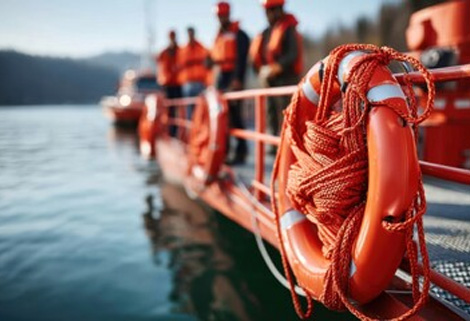
Responsibilities extend beyond vessel control. Awareness of passenger safety, communication with other waterway users, and readiness to respond to incidents all influence outcomes. Professional crews are often looked to as examples of good practice, particularly in busy or constrained areas.
The role of recognised maritime standards
Standards exist to create consistency. When crews share a common foundation of training, expectations become clearer and responses more reliable. International maritime standards provide guidance on safety, emergency response, and personal responsibility that remains relevant across different operating environments.
Training aligned with these standards helps reduce ambiguity. Crews understand not only what actions to take, but why those actions matter. This understanding supports sound judgement when situations fall outside routine procedures.
Training as a foundation for competence
Competence develops through structured learning combined with experience. Training provides the framework that allows experience to be interpreted correctly. Without that framework, habits can replace judgement, increasing risk over time.
How professional training supports everyday operations
Daily tasks on waterways often appear straightforward. Mooring, loading, and navigation become familiar quickly. Training helps crews recognise that routine work still carries risk. Situational awareness, correct use of equipment, and effective communication all depend on underlying knowledge.
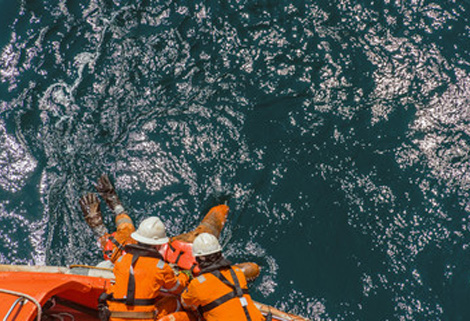
When unexpected situations arise, trained crews respond more calmly. Clear understanding of emergency procedures reduces hesitation and confusion, protecting both crew and the public.
Relevance of STCW knowledge beyond offshore roles
Although STCW standards are often associated with offshore or international shipping, the principles they teach apply broadly. Fire prevention, first aid, and emergency response are just as relevant on inland vessels, particularly those carrying passengers or operating commercially.
These principles support safer interaction with other waterway users. Professional conduct reduces the likelihood of incidents and builds trust within the wider boating community.
Maintaining competence through ongoing learning
Competence is not static. Equipment changes, regulations evolve, and operating environments shift. Regular refresher training helps crews maintain confidence and update their knowledge as conditions change.
Ongoing learning also supports consistency across teams. New staff integrate more smoothly when training expectations are clear, and experienced crew benefit from revisiting core principles.
Practical benefits for employers and operators
Well trained crews contribute to smoother operations. Incidents decline, communication improves, and regulatory scrutiny becomes easier to manage. Training also supports retention by giving staff confidence in their roles.
Building trust on shared waterways
Public confidence in professional operators depends on visible competence. Calm, predictable behaviour reassures other waterway users and supports cooperation in busy areas. This trust is built gradually through consistent practice rather than isolated actions.
Training reinforces this consistency. Crews who share common standards approach situations with similar priorities, reducing misunderstandings and unnecessary conflict.
Conclusion
Safe waterway operations rely on preparation long before a vessel leaves its berth. Training provides the knowledge that underpins good judgement and responsible conduct. It supports professionals in managing risk while respecting the shared nature of inland waterways.
Recognised learning pathways, including STCW courses, contribute to this preparation by establishing clear expectations and practical understanding. When training aligns with real operating conditions, it becomes a valuable tool for sustaining safety and professionalism across the waterway network.